
The Truth About Malaria
1. What Malaria Is
Malaria is a serious but preventable and treatable disease caused by parasites that infect the blood. These parasites are spread to people through the bite of an infected female Anopheles mosquito. Malaria remains one of the most common infectious diseases in many parts of Africa, Asia, and South America, including Kenya. If it is diagnosed early and treated quickly, most people recover fully. However, without treatment, malaria can become life-threatening.
2. Types of Malaria Parasites
There are several types of malaria parasites, but the most dangerous is Plasmodium falciparum, which causes most severe malaria cases and deaths, especially in Africa. Another type, Plasmodium vivax, is more common in some parts of Asia and South America and can sometimes return months after the first illness because some parasites remain hidden in the liver before becoming active again.
3. How Malaria Spreads
Malaria spreads mainly through the bite of an infected female Anopheles mosquito.. It does not spread by shaking hands, hugging, sharing food, coughing, or being near someone who has malaria. In rare cases, it can spread through infected blood transfusions, shared needles, or from a pregnant mother to her unborn baby.
4. What Happens in the Body
Once an infected mosquito bites a person, the parasites first travel to the liver, where they multiply before entering the bloodstream. They then infect and destroy red blood cells, which are the cells responsible for carrying oxygen around the body. This damage causes the symptoms of malaria.
5. Common Symptoms
The most common symptoms include fever, chills, sweating, headache, body aches, tiredness, nausea, vomiting, loss of appetite, and general weakness. Some people may also develop diarrhoea or stomach pain. Because these symptoms are similar to those of influenza, typhoid, and several other illnesses, malaria cannot be diagnosed based on symptoms alone.
If malaria is not treated promptly, it can progress to severe malaria.
6. Warning Signs of Severe Malaria
Warning signs include confusion, seizures (fits), difficulty breathing, severe weakness, yellowing of the eyes or skin (jaundice), severe anaemia (a low number of healthy red blood cells), kidney failure, repeated seizures, or loss of consciousness. Severe malaria is a medical emergency and requires immediate hospital treatment.
7. Who Is at Higher Risk
Anyone can get malaria, but young children, pregnant women, older adults, people with weakened immune systems, and travellers visiting malaria-endemic areas are at a higher risk of becoming seriously ill. During pregnancy, malaria can also increase the risk of miscarriage, premature birth, and babies being born with a low birth weight.
8. How Malaria Is Diagnosed
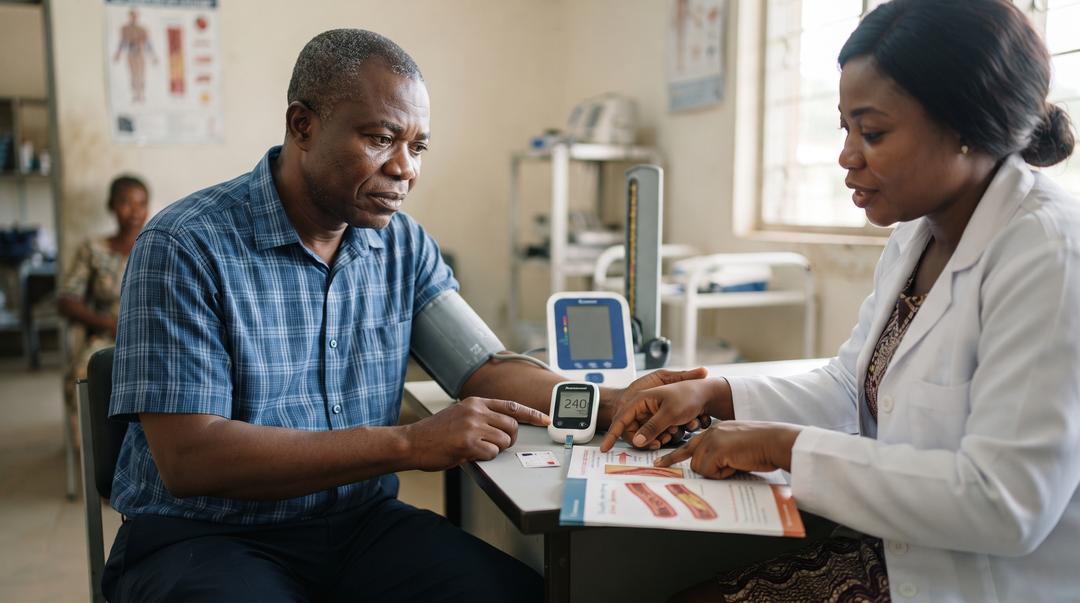
Malaria is diagnosed using a small blood sample. This may be tested with a rapid diagnostic test (RDT), which can detect malaria within minutes, or examined under a microscope to identify the parasite. Testing is important because malaria symptoms are similar to many other illnesses.
9. How Malaria Is Treated
Malaria is treated with antimalarial medicines that kill the parasites. The exact treatment depends on the type of malaria, how severe it is, the patient's age, pregnancy status, and local treatment guidelines. Most uncomplicated cases can be treated with tablets, while severe malaria usually requires treatment in hospital through medication given into a vein before switching to tablets.
10. How to Prevent Malaria
The best way to prevent malaria is to avoid mosquito bites. Sleeping under insecticide-treated mosquito nets, using mosquito repellents, wearing long-sleeved clothing in the evening, installing screens on windows and doors and removing standing water around homes where mosquitoes breed can greatly reduce the risk of infection. People travelling to areas where malaria is common may also need preventive medication before, during, and after their trip.
11. When to Seek Medical Attention
Malaria can usually be cured if treated early. Anyone who develops a fever after living in or travelling to a malaria-endemic area should seek medical attention as soon as possible rather than waiting for symptoms to improve on their own. Early diagnosis and prompt treatment remain the best ways to prevent serious complications and save lives.
Note: Malaria treatment recommendations and prevention advice may change over time as new medicines, vaccines, and evidence become available. Always follow the latest advice from your local healthcare provider or national ministry of health.
Call To Action
Your health can't wait. Book an online consultation with a licensed healthcare provider on Zuri Health and get the care you need, wherever you are.
- Chat with us on WhatsApp
- Phone Number: +254 756 551 551
- You can also use this WhatsApp link: Click here to chat