
Chapati is one of the most popular staple foods across East Africa, South Asia, and many other parts of the world. In Kenya, chapati is a favourite meal during family gatherings, celebrations, holidays, and everyday meals. Whether paired with beans, vegetables, beef stew, chicken, lentils, or tea, chapati remains a delicious and satisfying food enjoyed by people of all ages. However, many people often ask: Is chapati healthy? Can chapati help with weight loss? Is chapati good for diabetes? How many chapatis should you eat per day?
The answer depends on how chapati is prepared, the type of flour used, portion size, and what it is eaten with. Understanding the nutritional value of chapati can help you enjoy it as part of a healthy and balanced diet.
What Is Chapati?
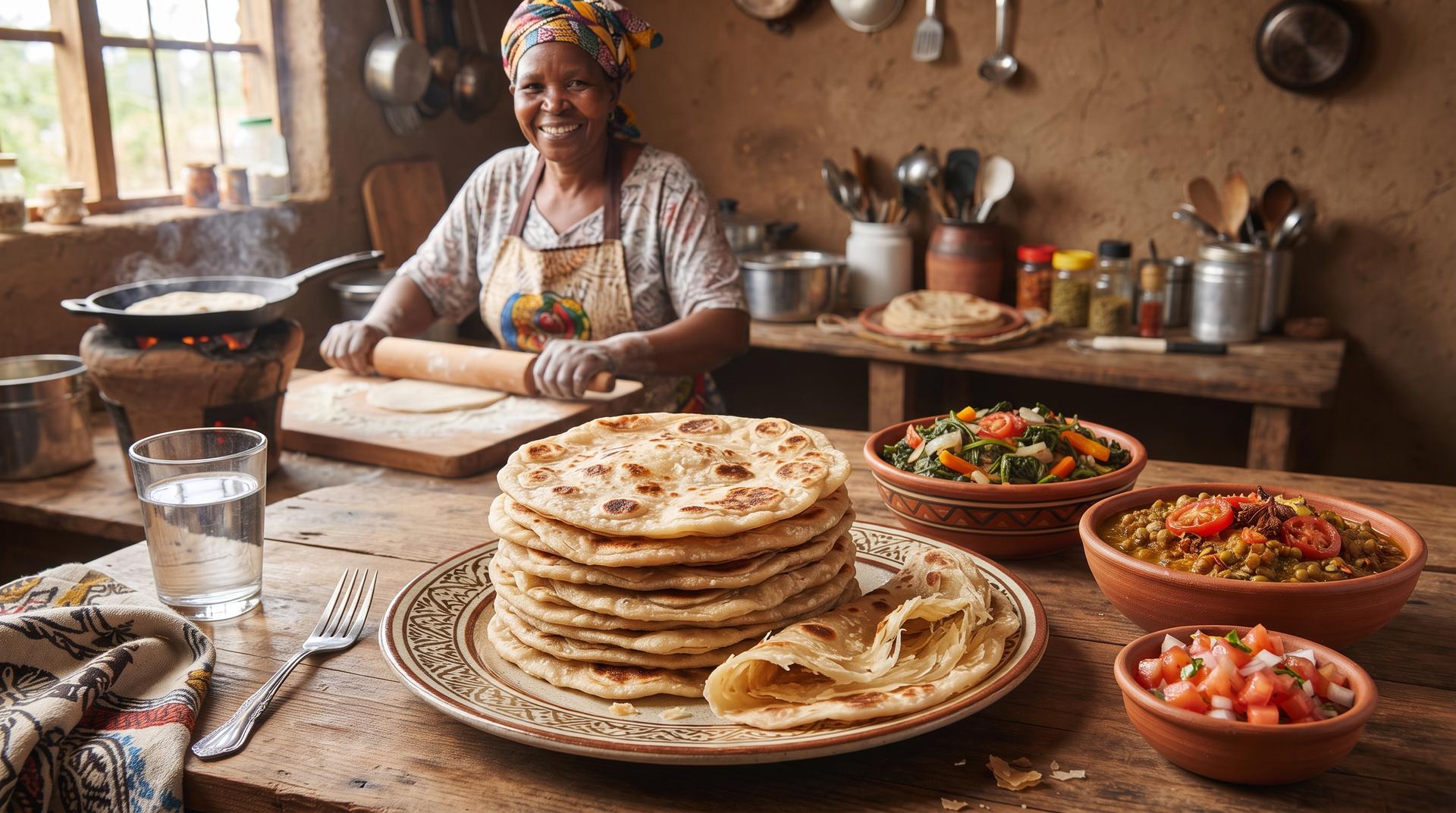
Chapati is a type of flatbread traditionally made from wheat flour, water, and a small amount of oil or fat. The dough is kneaded, rolled into thin circles, and cooked on a hot pan until fully done. Different regions and households prepare chapati differently, with some adding more oil, butter, milk, eggs, or sugar to improve taste and texture.
Whole wheat chapati is generally considered healthier than chapati made from refined white flour because it contains more fibre, vitamins, and minerals. The nutritional value of chapati can vary depending on ingredients and preparation methods.
Nutritional Value of Chapati
A medium-sized chapati typically contains:
Calories: 120–180
Carbohydrates: 20–30 grams
Protein: 3–5 grams
Fat: 2–8 grams
Fibre: 2–5 grams
Iron
Magnesium
B vitamins
Zinc
Selenium
Whole wheat chapati contains more dietary fibre and nutrients than chapati made from refined flour. Fibre helps support digestion, improves gut health, and promotes feelings of fullness after meals.
Health Benefits of Chapati
Provides Sustainable Energy
Wholemeal chapati is rich in complex carbohydrates, which serve as the body's primary source of energy. Unlike sugary foods that cause rapid spikes and crashes in blood sugar levels, wholemeal chapati provides a more gradual release of energy, helping individuals remain active and productive throughout the day.
People who engage in physical work, exercise regularly, or have busy schedules often benefit from the sustained energy provided by chapati.
Supports Digestive Health
Whole wheat chapati contains dietary fibre, which helps support healthy digestion and regular bowel movements. Fibre adds bulk to stool, making it easier to pass and reducing the risk of constipation.
A diet rich in fibre may also support a healthy gut microbiome, which plays an important role in immunity, digestion, and overall health.
May Help with Weight Management
Many people wonder whether chapati causes weight gain. The truth is that no single food automatically causes weight gain. Weight gain occurs when calorie intake consistently exceeds calorie expenditure.
Whole wheat chapati can support weight management because:
It promotes fullness.
It helps reduce excessive snacking.
It contains fibre that slows digestion.
It provides lasting energy.
The key is portion control. Eating several large chapatis prepared with excessive oil may contribute to excess calorie intake.
Supports Heart Health
Whole grain foods, including whole wheat chapati, may contribute to heart health when consumed as part of a balanced diet. Whole grains contain fibre and beneficial nutrients that may help maintain healthy cholesterol levels and support cardiovascular health.
Replacing highly processed carbohydrates with whole grain chapati may provide additional health benefits.
Is Chapati Good for People with Diabetes?
People living with diabetes can enjoy chapati in moderation. However, the type of chapati matters.
Whole wheat chapati generally has a lower glycaemic impact compared to chapati made from highly refined flour. The fibre content helps slow digestion and may reduce rapid rises in blood sugar levels.
For better blood sugar management:
Choose whole wheat chapati.
Avoid excessive oil or butter.
Pair chapati with vegetables and protein.
Control portion sizes.
Avoid eating chapati alongside sugary drinks.
People with diabetes should follow personalized dietary advice from their healthcare provider or nutritionist.
Can Chapati Help with Weight Loss?
Chapati can be included in a weight loss diet when consumed in appropriate portions.
Weight loss depends on creating a sustainable calorie deficit while maintaining adequate nutrition. Whole wheat chapati may support weight loss because it is filling and can reduce hunger between meals.
For healthier weight management:
Eat chapati with vegetables.
Include lean proteins such as beans, lentils, fish, eggs, or chicken.
Limit excessive cooking oil.
Avoid oversized portions.
Stay physically active.
Eating chapati alone is unlikely to cause weight loss or weight gain; overall dietary patterns matter most.
Potential Drawbacks of Chapati
While chapati can be healthy, there are a few considerations.
Excess Calories from Oil
Many homemade and restaurant chapatis contain significant amounts of cooking oil, margarine, butter, or ghee. This increases calorie content substantially.
A chapati prepared with large amounts of oil may contain significantly more calories than a simple whole wheat version.
Refined Flour May Reduce Nutritional Value
Chapatis made from highly refined white flour contain less fibre and fewer nutrients than whole wheat alternatives. These chapatis may be digested more quickly and may not provide the same level of fullness.
Gluten Sensitivity and Celiac Disease
Chapati contains wheat, which naturally contains gluten. Individuals with celiac disease or gluten sensitivity should avoid traditional wheat chapati and consider gluten-free alternatives.
Healthiest Ways to Eat Chapati
The healthiest chapati meals usually combine multiple food groups.
Examples include:
Chapati with beans and vegetables.
Chapati with lentil stew.
Chapati with grilled chicken and salad.
Chapati with mixed vegetable curry.
Chapati with fish and steamed greens.
These combinations provide carbohydrates, protein, fibre, vitamins, and minerals that support overall health.
Frequently Asked Questions About Chapati
Is chapati healthier than bread?
Both can be healthy depending on ingredients. Whole wheat chapati often contains fewer additives and may provide more fibre than some commercially produced white breads.
How many chapatis can I eat in a day?
The ideal amount depends on age, activity level, health status, and overall calorie needs. Many healthy adults can include one chapati as part of balanced meals.
Is chapati good for weight loss?
Yes, whole wheat chapati can be included in a weight loss plan when eaten in moderation and combined with healthy foods.
Can people with diabetes eat chapati?
Yes. Whole wheat chapati consumed in controlled portions and paired with protein and vegetables can be part of a diabetes-friendly meal plan.
Does chapati increase blood sugar?
Chapati contains carbohydrates, so it can raise blood sugar levels. However, whole wheat chapati generally causes a slower rise compared to highly refined carbohydrate foods.
Is chapati healthier than rice?
Neither is automatically healthier. Whole wheat chapati provides more fibre than white rice, while both can fit into a balanced diet when eaten in appropriate portions.
Can chapati cause weight gain?
Eating large amounts of chapati, especially versions made with excessive oil or butter, may contribute to weight gain if total calorie intake exceeds daily energy needs.
Is chapati good for digestion?
Whole wheat chapati contains fibre that supports healthy digestion and may help prevent constipation.
Conclusion:
Chapati can be a healthy, nutritious, and satisfying part of a balanced diet. It provides energy, fibre, vitamins, and minerals while supporting digestion and overall well-being. Whole wheat chapati is generally the healthiest option because it contains more fibre and nutrients than refined flour varieties. Like any food, moderation is important. Paying attention to portion sizes, limiting excess oil, and pairing chapati with vegetables and protein-rich foods can help maximize its health benefits.
Whether you are trying to manage your weight, improve your diet, control blood sugar levels, or simply enjoy a wholesome meal, chapati can remain a valuable part of a healthy lifestyle when prepared and consumed thoughtfully.
Call to Action
Need support achieving your nutrition goals? Zuri Health's Nutrition Care Program offers personalized guidance from qualified nutrition professionals to help you eat healthier and manage nutrition-related health conditions.
Chat with us on WhatsApp
Phone Number: +254 756 551 551
You can also use this WhatsApp link: Click here to chat