
Introduction: Kenya’s Favourite Grilled Meat Under the Spotlight
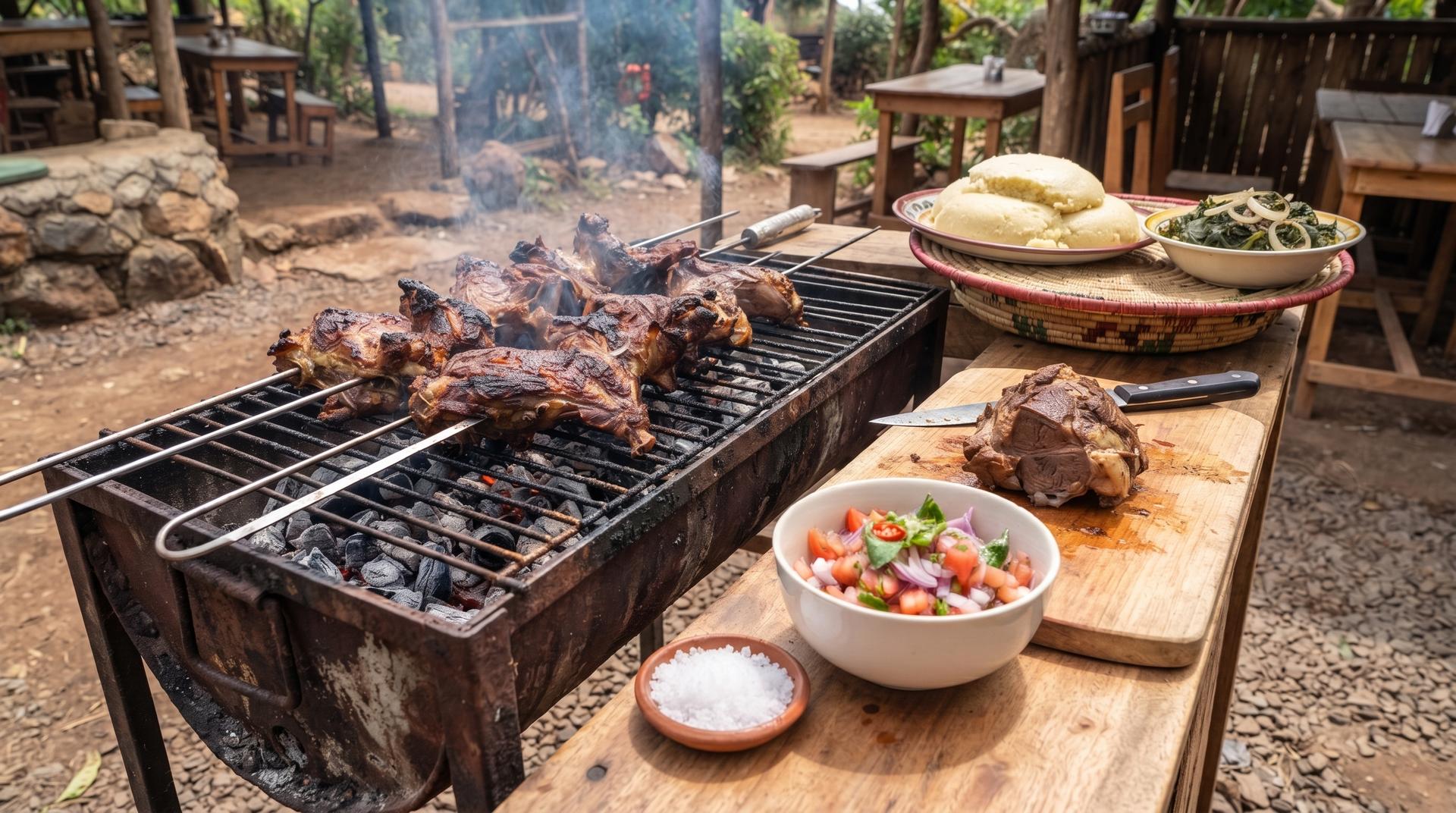
Nyama Choma is more than grilled meat. In Kenya, it is part of celebrations, family gatherings, road trips, sporting events and relaxed weekends with friends. Whether it is goat meat, beef, mutton or chicken served with kachumbari and ugali, Nyama Choma holds an important place in Kenyan food culture.
However, as more Kenyans become concerned about weight gain, high cholesterol, diabetes, high blood pressure and cancer, one question keeps appearing: is Nyama Choma healthy?
The answer depends on the type of meat, the amount eaten, the cut selected, how frequently it is consumed and how it is grilled. Nyama Choma can provide valuable nutrients, but large portions, fatty cuts and heavily burnt meat may pose health risks..
What Exactly Is Nyama Choma?
Nyama Choma simply means roasted or grilled meat. It is traditionally cooked slowly over charcoal or an open flame, usually with minimal seasoning. Goat meat and beef are the most common choices, although chicken, mutton and fish may also be prepared in the same way.
Beef, goat and mutton are classified as red meat because they come from mammals. Chicken and fish are not classified as red meat. Processed meats such as sausages, bacon and some cured meats are different because they have been salted, smoked, cured or otherwise processed for flavour or preservation.
Is Nyama Choma Healthy?
Nyama Choma can be part of a healthy diet when it is eaten occasionally, prepared safely and served in a sensible portion. Its nutritional value varies considerably depending on the animal, the cut of meat, the amount of visible fat and the serving size. Kenya’s official food composition resources similarly assess foods according to their specific nutrients and preparation methods rather than treating all meat as nutritionally identical.
A lean piece of grilled goat or beef is different from a large serving of fatty ribs. The overall meal also matters. Nyama Choma served with vegetables and a moderate amount of ugali is more balanced than Nyama Choma served with chips, sausages, sugary drinks and excessive alcohol.
Health Benefits of Nyama Choma
Nyama Choma is a concentrated source of protein and several important micronutrients. Meat provides iron, including haem iron, which is generally absorbed more easily than the iron found in many plant foods. Iron is required to make haemoglobin, the substance in red blood cells that carries oxygen around the body.
Meat also provides zinc and vitamin B12. Meat and fish are among the richest dietary sources of zinc, while vitamin B12 occurs naturally in animal foods such as meat, fish, poultry, eggs and dairy products. Vitamin B12 helps maintain healthy blood and nerve cells.
Because protein is filling, a moderate serving of Nyama Choma may help control hunger. However, eating more meat does not automatically provide greater health benefits. Portion size and the balance of the complete meal remain important.
Possible Health Risks of Nyama Choma
Large Portions and Fatty Cuts
Some cuts of red meat contain significant amounts of saturated fat. Regularly eating very fatty meat may make it harder to manage cholesterol levels and overall calorie intake. The American Diabetes Association recommends limiting red meat, choosing lean cuts and trimming visible fat where possible.
Frequent Red Meat Consumption
Eating Nyama Choma occasionally is different from eating large amounts of red meat every day. The World Cancer Research Fund advises people who eat red meat to limit it to approximately three portions per week, equivalent to about 350–500 grams of cooked red meat, and to consume very little processed meat. This recommendation balances the nutritional benefits of meat against evidence linking higher long-term consumption with colorectal cancer risk.
Burnt and Heavily Charred Meat
Cooking meat directly over intense heat or an open flame can produce chemicals called heterocyclic amines and polycyclic aromatic hydrocarbons. These compounds form when meat is exposed to very high temperatures, smoke and flames, particularly when dripping fat causes flare-ups. Laboratory research has shown that these compounds can damage DNA, although studies in humans have not produced completely consistent results.
This does not mean that one serving of Nyama Choma causes cancer. The concern relates more to repeated exposure, frequent consumption and regularly eating heavily blackened or burnt meat.
Food Poisoning
Nyama Choma may cause food poisoning when the centre remains undercooked, cooked meat is placed on contaminated surfaces or the same utensils are used for raw and cooked meat. Whole cuts of beef, goat and lamb should reach at least 63°C and rest for three minutes, ground meat should reach 71°C, and chicken should reach 74°C. A food thermometer offers a more reliable safety check than colour alone.
How to Make Nyama Choma Healthier
Choose leaner cuts and remove large pieces of visible fat before eating. Keep the portion moderate rather than ordering an entire kilogram for one or two people. A practical approach is to allow vegetables to occupy about half the plate, meat about one-quarter and ugali, potatoes or another carbohydrate about one-quarter.
Avoid allowing flames to touch the meat continuously. Turn the meat regularly, cook it over moderate heat and remove badly burnt or blackened sections. These steps may reduce exposure to chemicals produced during high-temperature grilling.
Serve Nyama Choma with kachumbari, sukuma wiki, cabbage, spinach or mixed vegetables. Choose water instead of sugary drinks and avoid combining large servings of Nyama Choma with chips, sausages and other high-fat foods.
Frequently Asked Questions About Nyama Choma
Is Nyama Choma good for weight loss?
Nyama Choma may fit into a weight-management diet when the meat is lean and the portion is controlled. However, a large serving of fatty meat can be high in calories. Weight loss depends on the complete eating pattern, not on Nyama Choma alone.
How many calories are in Nyama Choma?
There is no single accurate calorie figure for Nyama Choma. Calories vary according to whether the meat is goat, beef, mutton or chicken, as well as the cut, fat content and serving weight. A small lean portion will generally contain fewer calories than fatty ribs or a large mixed platter.
Can someone with diabetes eat Nyama Choma?
Yes. People with diabetes can include a moderate serving of lean Nyama Choma in a balanced meal. Half the plate can contain non-starchy vegetables, one-quarter lean protein and one-quarter a controlled portion of quality carbohydrates. Extra attention should be given to ugali, chips, sweetened drinks and sauces because these affect the overall meal.
Does Nyama Choma cause cancer?
Eating Nyama Choma once does not mean that a person will develop cancer. The concern involves frequent consumption of large amounts of red or processed meat and repeated eating of heavily charred meat. Moderating red meat, limiting processed meat and avoiding burnt sections can reduce unnecessary exposure.
Is goat Nyama Choma healthier than beef?
Neither option is automatically healthier. The nutritional difference depends on the cut, visible fat, portion size and preparation. Lean goat meat may contain less fat than some fatty beef cuts, but fatty goat ribs may still be high in calories. Select the leanest available cut and control the portion size.
Can pregnant women eat Nyama Choma?
Pregnant women can eat Nyama Choma provided it is prepared hygienically and cooked to a safe internal temperature. Raw or undercooked meat should be avoided during pregnancy because foodborne infections can be more serious for the mother and baby.
Conclusion: Enjoy Nyama Choma Without Ignoring Your Health
Nyama Choma can provide protein, iron, zinc and vitamin B12, but it should not dominate every meal. Choose lean meat, control the portion, avoid heavily burnt areas and add plenty of vegetables. The goal is not to remove a valued Kenyan tradition from your diet, but to enjoy it in a way that supports your long-term health.
Call to Action
Concerned about your weight, cholesterol, blood pressure, blood sugar or eating habits? Zuri Health’s Nutrition Care Programme provides personalized nutritional support tailored to your individual health needs, dietary preferences and wellness goals.
Chat with us on WhatsApp
Phone Number: +254 756 551 551
You can also use this WhatsApp link: Click here to chat