
High cholesterol is a common condition in which there is too much cholesterol in the blood. Although cholesterol is needed to build healthy cells, make hormones, produce vitamin D, and help digest food, excess cholesterol can stick to the walls of arteries and form fatty plaques. Over time, these plaques narrow the arteries and reduce blood flow, increasing the risk of heart disease, heart attack, stroke, and poor circulation. Because it usually develops without noticeable symptoms, high cholesterol is often called a "silent condition."
1. Types of Cholesterol
There are different types of cholesterol that affect health in different ways. LDL, or "bad" cholesterol, contributes to plaque build-up inside arteries, while HDL, or "good" cholesterol, helps remove excess cholesterol from the bloodstream and return it to the liver for disposal. Triglycerides are another type of fat in the blood that can further increase the risk of heart disease when levels are high, especially alongside high LDL or low HDL. A total cholesterol reading measures all of these cholesterol particles together.
2. Causes of High Cholesterol
High cholesterol can result from unhealthy lifestyle habits, inherited genetic conditions, or certain medical conditions.
- Eating foods high in saturated and trans fats.
- Being physically inactive.
- Carrying excess body weight.
- Smoking.
- Drinking too much alcohol.
- Inherited familial hypercholesterolaemia.
- Diabetes.
- Chronic kidney disease.
- Hypothyroidism.
- Obesity.
- Some liver diseases.
- Certain medications can also increase cholesterol levels.
3. Risk Factors
Anyone can develop high cholesterol, but the risk increases with:
- Age.
- A family history of high cholesterol or early heart disease.
- Overweight or obesity.
- Lack of exercise.
- Smoking.
- Diabetes.
- High blood pressure.
- Diets high in saturated fats and processed foods.
- Excessive alcohol intake.
- Chronic kidney disease.
- Hypothyroidism.
Having several of these risk factors together further increases the likelihood of developing cardiovascular disease.
4. Symptoms
Most people with high cholesterol have no symptoms and only discover they have it through a blood test.
In some inherited cases, fatty deposits may appear under the skin or around the eyes, or a white or grey ring may develop around the edge of the cornea.
Unfortunately, for some people, the first sign of high cholesterol is a serious event such as a heart attack or stroke after years of silent damage to the arteries.
5. Diagnosis
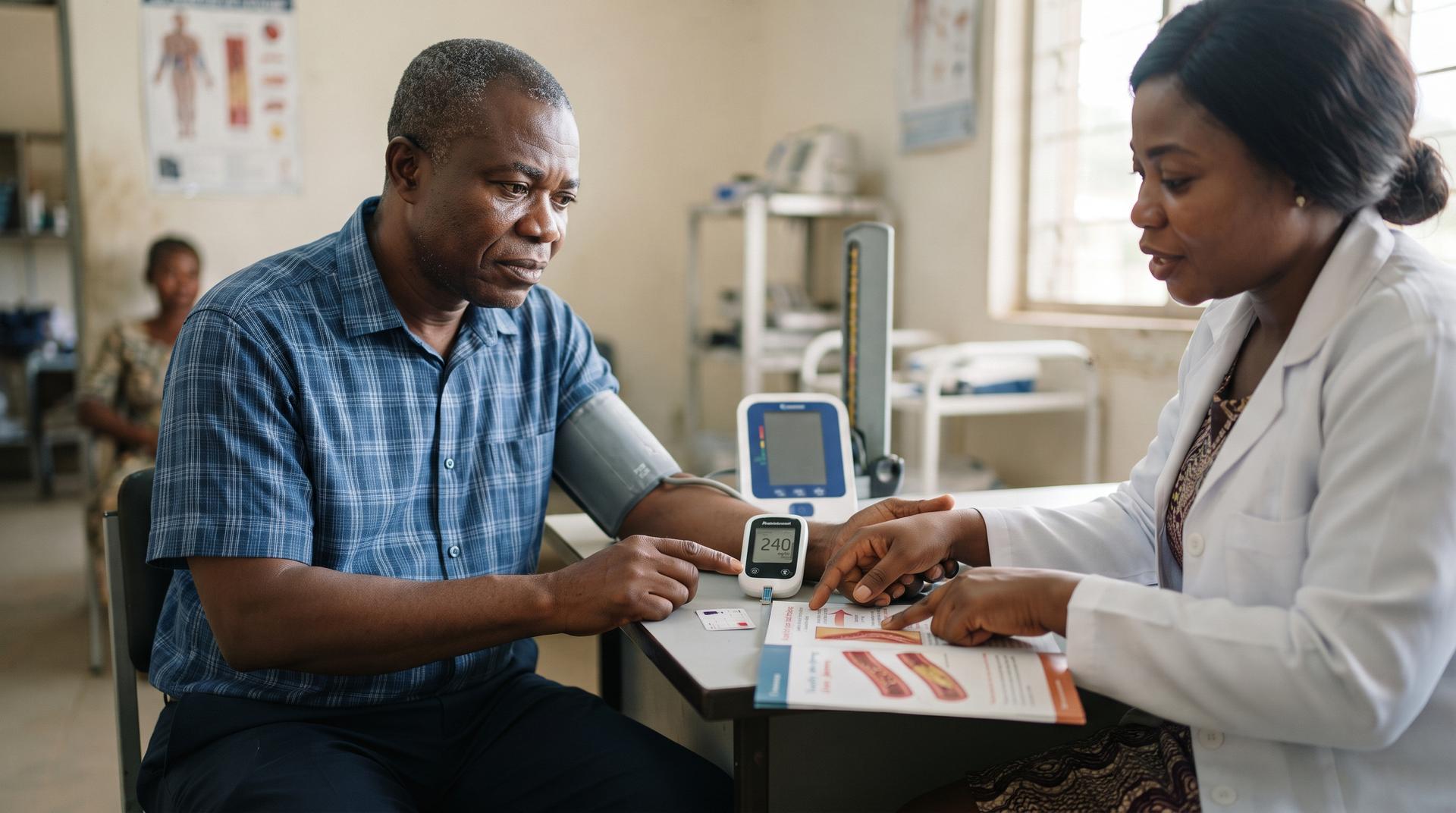
High cholesterol is diagnosed with a blood test called a lipid profile or lipid panel, which measures:
- Total cholesterol.
- LDL cholesterol.
- HDL cholesterol.
- Triglycerides.
Healthcare providers also consider factors such as blood pressure, blood sugar, weight, smoking status, and family history to assess a person's overall risk of heart disease. Screening recommendations vary depending on age, risk factors, and local medical guidelines.
6. Treatment
Treatment focuses on reducing cholesterol levels and lowering the risk of cardiovascular disease.
Healthy lifestyle changes include:
- Eating more vegetables, fruits, whole grains, legumes, nuts, and seeds.
- Choosing healthier fats such as olive oil, avocados, and oily fish.
- Reducing saturated and trans fats.
- Increasing fibre intake.
- Exercising regularly.
- Maintaining a healthy weight.
- Quitting smoking.
- Limiting alcohol.
When lifestyle changes alone are not enough, medications such as statins may be prescribed to reduce cholesterol production in the liver. Other medicines, including cholesterol absorption inhibitors, bile acid sequestrants, PCSK9 inhibitors and bempedoic acid, may also be used depending on individual circumstances.
7. Prevention
High cholesterol can often be prevented by maintaining a healthy lifestyle and attending regular health check-ups, although people with inherited cholesterol disorders may still require medication.
8. When Should You See a Healthcare Provider?
You should see a healthcare provider if you have risk factors for heart disease, a family history of high cholesterol, diabetes, high blood pressure, kidney disease, obesity, or previously diagnosed high cholesterol.
Emergency medical attention is needed if symptoms of a heart attack or stroke, such as chest pain, sudden weakness, or difficulty speaking, occur.
Although high cholesterol is a serious condition, it can usually be managed successfully through early detection, healthy lifestyle choices, regular monitoring, and medication when needed.
Because it rarely causes warning signs before complications develop, regular cholesterol testing is one of the most effective ways to protect long-term heart health.
This information is intended for general education and should not replace advice from a qualified healthcare professional.
Call To Action
Your heart health matters. If you're concerned about your cholesterol levels or want to reduce your risk of heart disease, book an online consultation with a licensed healthcare provider on Zuri Health and get expert care wherever you are.
- Chat with us on WhatsApp
- Phone Number: +254 756 551 551
- You can also use this WhatsApp link: Click here to chat