
Silent Battles, Bold Truths: Common Reproductive Health Issues and Early Signs Every Woman Must Know
Women's bodies tell powerful stories. But often, those stories are whispered—especially when it comes to reproduction and health issues.
In this guide, we'll uncover the silent yet common reproductive health issues affecting women. From painful periods to hormonal imbalances, we'll decode the early signs that demand attention.
This isn't just another medical article. It's a wake-up call, a guide, and a companion. So, let's talk about the hidden health facts, the emotional battles, and the power of knowing your body.
Because behind every cramp, irregular cycle, or unexplained fatigue—there could be a deeper story waiting to be told.
Why Women's Reproductive Health Deserves More Attention
Many women normalize pain, fatigue, or irregular cycles. But they often point to deeper reproduction challenges.
In fact, over 70% of women experience at least one form of reproductive health issue in their lifetime.
Early detection is key. So, let's explore the symptoms and the latest updates in women health.
Most Common Reproductive Health Issues in Women
Here's a breakdown of the most widespread conditions affecting women health today:
1. Polycystic Ovary Syndrome (PCOS)
A hormonal disorder causing enlarged ovaries with small cysts.
Early Signs:
- Irregular periods
- Acne and oily skin
- Unwanted hair growth
- Weight gain around the waist
Trend Alert: More women under 30 are now being diagnosed due to lifestyle changes.
2. Endometriosis
A painful condition where tissue similar to the uterine lining grows outside the uterus.
Early Signs:
- Pelvic pain before and during menstruation
- Pain during intercourse
- Heavy bleeding
- Infertility
Comparison: Often mistaken for PMS or cramps, delaying treatment for years.
3. Fibroids
Non-cancerous tumors in the uterus, common in women over 30.
Early Signs:
- Heavy or prolonged periods
- Pelvic pressure
- Frequent urination
- Pain in lower back
Health Fact: African women have a higher risk of developing fibroids earlier in life.
4. Sexually Transmitted Infections (STIs)
These infections can cause long-term reproductive damage if untreated.
Early Signs:
- Unusual discharge
- Burning sensation during urination
- Pelvic pain
- Bleeding between periods
Update: Routine screening every 6–12 months is now recommended for sexually active women.
5. Pelvic Inflammatory Disease (PID)
An infection of reproductive organs caused by untreated STIs.
Early Signs:
- Pain in the lower abdomen
- Fever
- Irregular bleeding
- Painful intercourse
Trend: Cases are increasing among women aged 18–35 due to delayed STI treatment.
Mental and Emotional Impact of Reproductive Health Issues
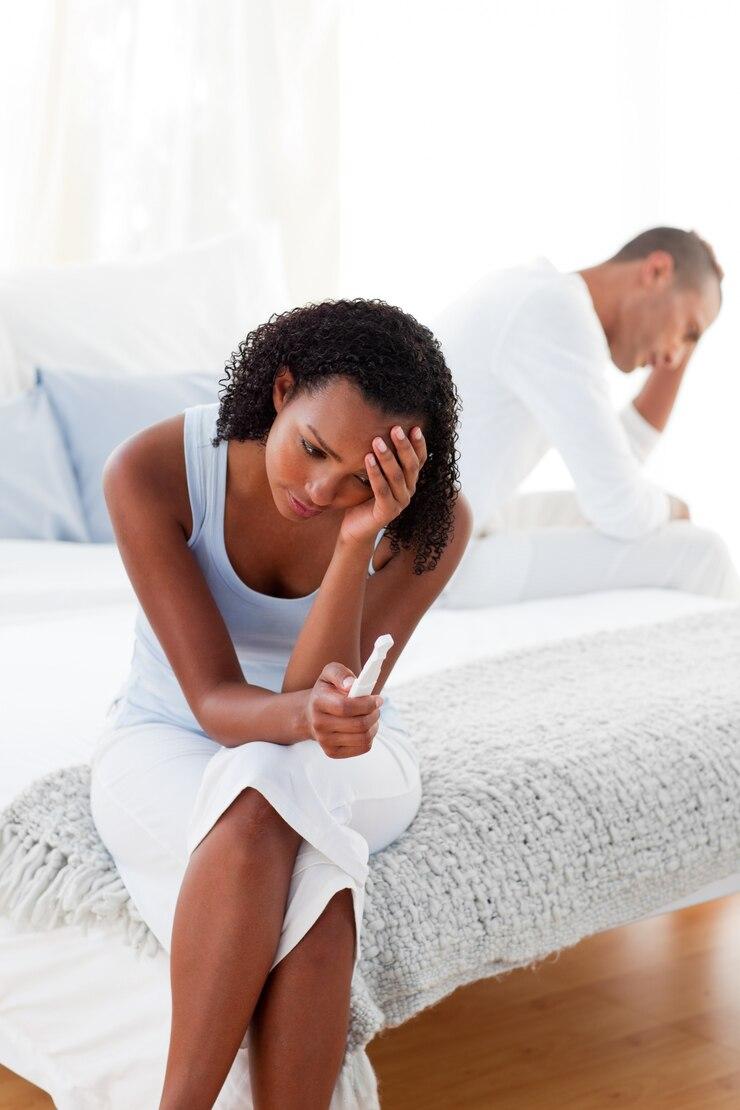
Beyond physical pain, health issues like PCOS or infertility affect self-esteem, mental health, and relationships.
Studies show women with chronic reproductive conditions are twice as likely to experience depression or anxiety.
Zuri Health in Nairobi provides integrated care - treating both body and mind.
Cultural Myths vs. Medical Truths in Women Health
In many African communities, menstrual pain is dismissed as "normal." Infertility is blamed solely on women.
Fact: Men contribute to over 40% of infertility cases.
Reality Check: Ignoring these health facts delays diagnosis and treatment.
Zuri Health leads awareness campaigns to break harmful myths and empower women.
Comparing Natural and Medical Approaches
| Issue | Natural Remedies | Medical Treatments |
|---|---|---|
| PCOS | Diet changes, yoga, supplements | Hormone therapy, Metformin |
| Fibroids | Herbal teas, acupuncture | Surgery, hormonal IUDs |
| Endometriosis | Heat therapy, anti-inflammatory diet | Laparoscopy, pain relievers |
| STIs/PID | None (urgent medical care needed) | Antibiotics, hospital care |
Pro Tip: Early diagnosis saves money, time, and fertility.
Latest Trends in Reproductive Health (2024/2025)
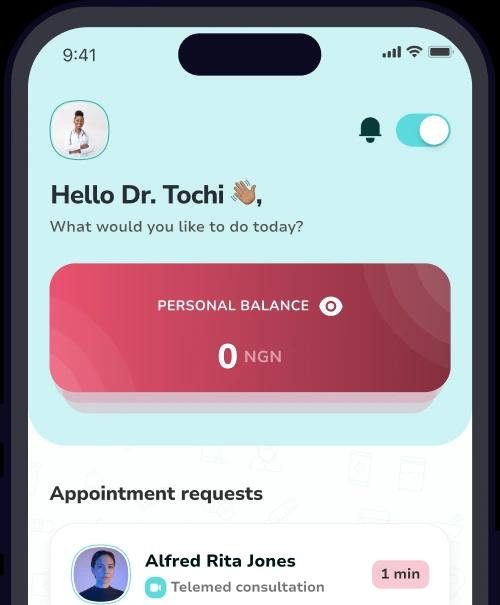
- Telemedicine: More women are now consulting doctors online.
- Fertility Awareness Tools: Apps now track ovulation with 95% accuracy.
- Holistic Wellness: Nutrition and mental health are now part of every fertility plan.
- Awareness Surge: Thanks to platforms like Zuri Health, reproductive education is reaching more women in Nairobi.
When to See a Doctor
Don't wait for symptoms to worsen. See a doctor if you notice:
- Irregular or missed periods for more than 2 cycles
- Chronic fatigue and unexplained weight changes
- Intense cramps or pain during sex
- Unusual vaginal discharge or bleeding
Zuri Health offers confidential, affordable care - right from your phone or at their Nairobi clinic.
Simple Prevention Tips for Better Reproductive Health
- Practice safe sex using protection
- Track your cycle monthly
- Eat hormone-balancing foods
- Exercise regularly
- Avoid self-medication
- Go for annual reproductive health check-ups
Real Stories, Real Women
"I thought painful periods were normal. Zuri Health helped me discover it was endometriosis." — Amina, Nairobi
"After months of trying, I used Zuri Health's ovulation tracker. I'm now six months pregnant!" — Rachel, Kisumu
Final Thoughts: Don't Ignore the Signs
Your body speaks. Don't silence its signals. Whether it's mood swings or missed periods, every symptom matters.
Reproductive health isn't just about having children. It's about living well, understanding your body, and reclaiming control.
Take Action Now
Knowledge is power. But action saves lives.
Visit our website: www.zuri.health
Call us today: +254756551551
Let Zuri Health walk with you in your health journey, because you deserve answers, healing, and hope.
Share Your Knowledge
If you found this guide helpful, share it with other women in your life.
Together, we can break the silence around reproductive health.
Every woman deserves to know her body's story.