

Mind-Body Connection: Revealing the Powerful Link Between Physical and Mental Health You Can’t Ignore
Have you ever felt physically sick after a stressful day? Or struggled mentally when battling a chronic illness? That’s not a coincidence.
Physical health and mental health are deeply connected, and this link is stronger than most people realize.
In this article, we reveal eye-opening health facts, updated trends, and expert insights into how your body and mind work together.
Why the Mind-Body Link Matters Today
The world is waking up to a truth long known in medicine: You can’t have true mental health without caring for your physical health, and vice versa.
According to current statistics, over 70% of people with chronic illness also report depression or anxiety symptoms.
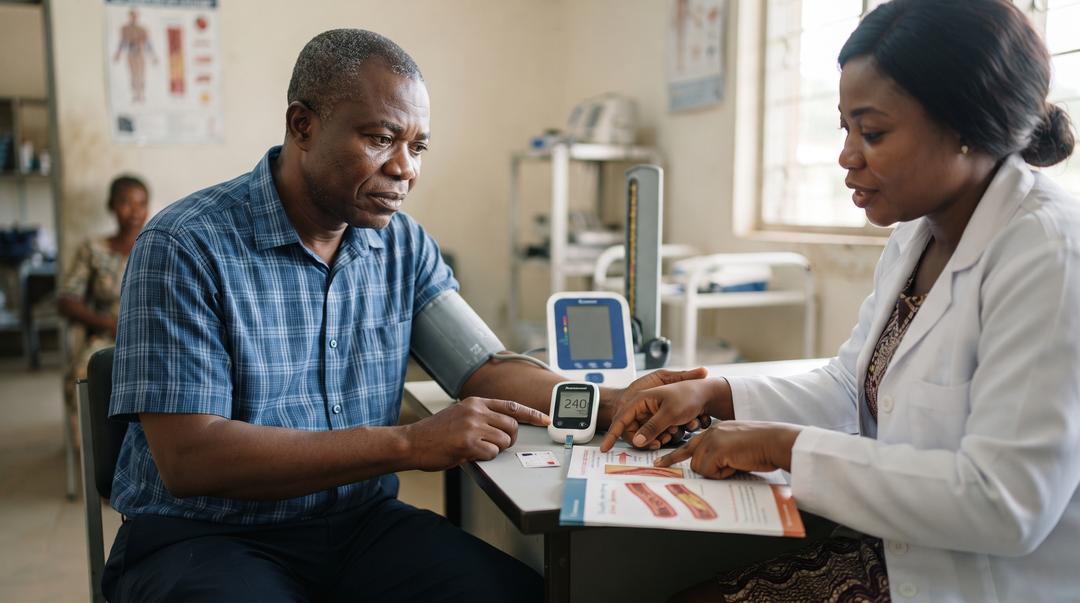
Zuri Health in Nairobi confirms this trend with patients facing diabetes, hypertension, and chronic pain.
Mental stress can worsen physical illness. Physical illness can trigger emotional distress. Ignoring either side is a mistake.
Health Facts: How Physical and Mental Health Are Connected
The connection between body and mind is both biological and emotional. Let’s break down the science.
- The Brain and Body Communicate Constantly: The brain releases hormones and chemicals that
affect every system in the body. Stress hormones like cortisol can cause:
- Increased blood pressure
- Weakened immune response
- Sleep problems
- Digestive issues
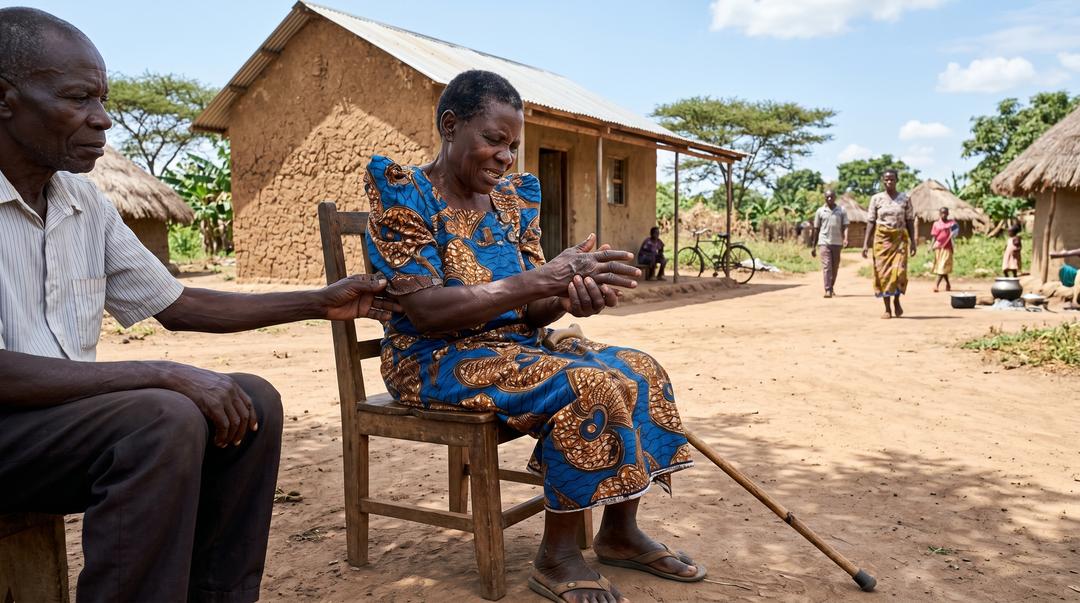
- Poor Physical Health Fuels Mental Fatigue: Chronic pain, poor sleep, or fatigue make everyday life harder. That constant discomfort drains mental energy, increasing anxiety and depression. Even minor illnesses can cause mood swings and irritability.
Updated Statistics Show A Rising Concern
Recent health data highlights the urgent need for integrated care:
- 1 in 3 people with a chronic illness also have mental health challenges
- Regular exercise reduces depression symptoms by up to 26%
- Sleep disorders increase the risk of anxiety by 40%
- People with untreated depression have a 50% higher risk of heart disease
These statistics show that mental and physical health are two sides of the same coin.
Top Ways Mental Health Impacts Physical Health
Mental health challenges don’t just affect emotions—they take a toll on the body too.
- Anxiety Affects the Heart: Prolonged anxiety can raise your heart rate and increase the risk of cardiovascular problems.
- Depression Weakens the Immune System: Depression lowers immune function, making you more vulnerable to infections and slow recovery.
- Chronic Stress Causes Inflammation: Stress triggers inflammation, which plays a role in many diseases like diabetes, arthritis, and cancer.
How Physical Health Boosts Mental Wellness
Taking care of your body doesn’t just prevent disease. It supports a healthy, focused, and balanced mind.
- Regular Exercise Improves Mood: Exercise releases endorphins - natural mood boosters. Even a 20-minute walk can reduce stress and clear your mind.
- Good Nutrition Fuels the Brain: A diet rich in omega-3s, whole grains, and vitamins supports brain health and reduces depression risk.
- Quality Sleep Repairs Mental Health: Sleep helps process emotions and restores brain function. Sleep deprivation fuels mood swings and mental fatigue.
Zuri Health in Nairobi promotes holistic wellness plans combining sleep therapy, nutrition, and counseling.
Comparing Traditional vs. Holistic Health Approaches
Let’s look at how traditional and modern approaches differ when treating health holistically.
| Traditional Care | Holistic Approach |
|---|---|
| Treats symptoms only | Treats root causes |
| Focuses on one organ | Focuses on the whole person |
| Medication-first | Lifestyle-first and preventative |
| Reactive treatment | Proactive health management |
Modern healthcare now embraces holistic models as better long-term solutions.
Integrated Wellness Is the Future of Healthcare
Doctors, therapists, and nutritionists are now working together more than ever before. This shift reflects an updated understanding of the physical health and mental health connection.
Many clinics now offer:
- Mindfulness-based stress reduction
- Nutritional psychiatry
- Movement therapy for anxiety
- Pain management with mental health support
Zuri Health in Nairobi is a pioneer in combining mental and physical care through digital and in-person consultations.
Warning Signs You’re Ignoring the Mind-Body Connection
Be alert to these signs your body and mind are out of sync:
- Chronic fatigue despite rest
- Frequent headaches or stomach aches without a clear cause
- Mood swings tied to physical discomfort
- Difficulty concentrating after being sick
- Emotional distress following a physical injury
These are your body’s cries for help.
How to Improve Mental and Physical Health Together
Small lifestyle shifts can make a big difference in both areas.
- Move Your Body Every Day: Exercise boosts circulation, supports heart health, and eases anxiety. Even stretching or light yoga counts.
- Eat for Your Brain: Include foods that support mental clarity:
- Berries, leafy greens, nuts, and fatty fish.
- Talk About It: Mental stress builds up if you bottle it in. Speak with a friend, family member, or licensed therapist. Zuri Health in Nairobi offers access to mental health experts without the long wait.
- Prioritize Rest and Sleep: 7–8 hours of restful sleep repairs both body and brain. Create a calming bedtime routine and avoid screens before bed.
Final Thoughts: It’s All Connected
There is no health without mental health. And mental wellness can’t thrive without caring for your physical health.
We now know - your body and mind speak the same language. If one suffers, the other follows.
But the reverse is true too: When you nourish both, your energy, mood, and life improve drastically.
Ready to Take a Whole-Health Approach?
Start with one small step today.
Visit our website: www.zuri.health
Or call: +254756551551 to speak with a wellness expert.
Let your healing begin - mind and body, together.
Share this with someone who needs to hear it
Help break the myth that health is one-sided. Share this post with your network and spread awareness.
Together, we can make wellness complete.