

Mental Health Matters: Addressing Minority Mental Health Challenges
Introduction: Breaking Down Barriers to Mental Wellness
Mental health affects every aspect of our lives, our emotions, thoughts, and actions. However, not everyone has the same access to mental health support. July is Minority Mental Health Awareness Month, a time to shed light on the unique struggles minority communities face and to promote inclusive, accessible care.
In this post, we'll explore mental health disparities, common barriers to care, and practical tips for supporting mental wellness in minority communities. We'll also highlight how Zuri Health helps make mental health support more accessible for everyone.
Why Focus on Minority Mental Health?
Minority communities, including racial, ethnic, and cultural groups, often face higher rates of mental health challenges. These challenges are influenced by factors such as:
- Discrimination and stigma: Negative stereotypes and prejudice can lead to feelings of isolation and stress
- Economic inequality: Limited financial resources can restrict access to quality mental health services
- Language and cultural barriers: Cultural misunderstandings may prevent individuals from seeking or receiving proper care
- Mistrust in healthcare systems: Historical injustices contribute to skepticism and reluctance to engage with health providers
Common Mental Health Challenges in Minority Communities
Mental health issues can affect anyone, but minorities often experience certain conditions at higher rates or with unique stressors. Common concerns include:
- Depression and anxiety
- Post-traumatic stress disorder (PTSD)
- Substance abuse
- Suicide ideation
- Chronic stress due to social and economic pressures
Signs You Shouldn't Ignore
Recognizing mental health issues early is critical. Look out for signs such as:
Warning Signs
- Persistent sadness or hopelessness
- Excessive worrying or fear
- Withdrawal from family and social activities
- Changes in eating or sleeping habits
- Mood swings or irritability
- Thoughts of self-harm or suicide
If you or someone you know is experiencing these symptoms, reach out for help immediately.
Practical Ways to Support Mental Health in Minority Communities
Supporting mental health doesn't always require grand gestures. Small, consistent actions can make a big difference:
1. Start the Conversation
- Create safe spaces for open discussions about mental health
- Encourage friends and family to share their experiences without judgment
2. Educate Yourself and Others
- Learn about the unique challenges faced by minority groups
- Share credible resources on mental health within your community
3. Advocate for Culturally Competent Care
- Support initiatives that promote diversity in mental health services
- Encourage healthcare providers to receive cultural sensitivity training
4. Prioritize Self-Care
- Engage in activities that promote relaxation and joy, such as exercise, meditation, or hobbies
- Set boundaries to protect your mental and emotional energy
5. Access Professional Support
- Seek help from therapists or counselors experienced in working with diverse populations
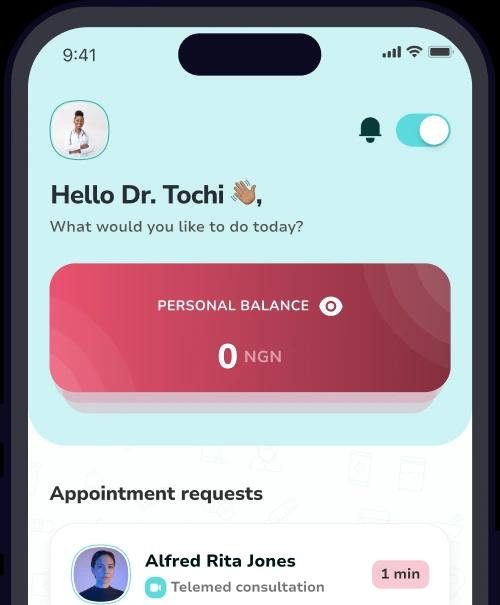
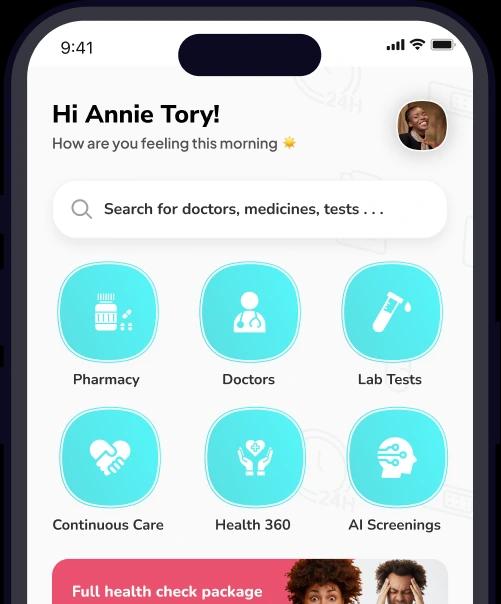
- Use telemedicine options like Zuri Health to access support from anywhere
How Zuri Health Supports Minority Mental Health
At Zuri Health, we believe mental health care should be accessible, affordable, and inclusive. Our network of mental health professionals understands the importance of culturally sensitive care and offers tailored solutions to meet diverse needs.
Through virtual consultations, patients can connect with trusted professionals without the stigma or barriers of traditional in-person visits.
Addressing the Stigma
Stigma around mental health remains one of the biggest obstacles in minority communities. Breaking this cycle starts with education and openness.
- Normalize therapy: Just like seeing a doctor for physical health, therapy should be normalized for mental wellness
- Share success stories: Highlight individuals who have benefited from seeking mental health support
- Use inclusive language: Avoid derogatory terms and encourage others to do the same
FAQ: Minority Mental Health
Why is mental health awareness important for minority groups?
Minority communities face unique stressors and barriers that make mental health care more challenging, increasing the need for awareness and targeted support.
How can I support a friend from a minority background struggling with mental health?
Listen without judgment, validate their feelings, encourage them to seek help, and offer to assist in finding resources.
What resources are available for minority mental health support?
Organizations like the National Alliance on Mental Illness (NAMI) and local NGOs offer culturally sensitive resources. Zuri Health also provides telehealth support tailored to diverse communities.
Are there mental health professionals who specialize in minority issues?
Yes, many therapists and counselors specialize in cultural competency and understand the unique needs of minority clients.
Conclusion: Together Toward Better Mental Health
Mental health is a universal right, not a privilege. By understanding the challenges faced by minority communities and taking proactive steps, we can create a more inclusive and supportive environment for everyone.
At Zuri Health, we're committed to breaking down barriers and making mental health care accessible for all. Your mental health matters, don't wait to seek help.
Your health can't wait.
Visit our website: www.zuri.health
Call us today: +254 756 551 551
Book a virtual consultation and get real answers from real doctors.