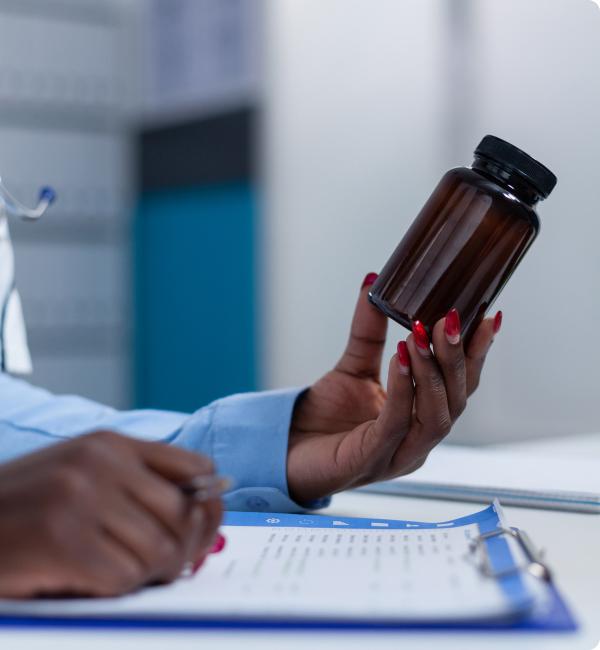

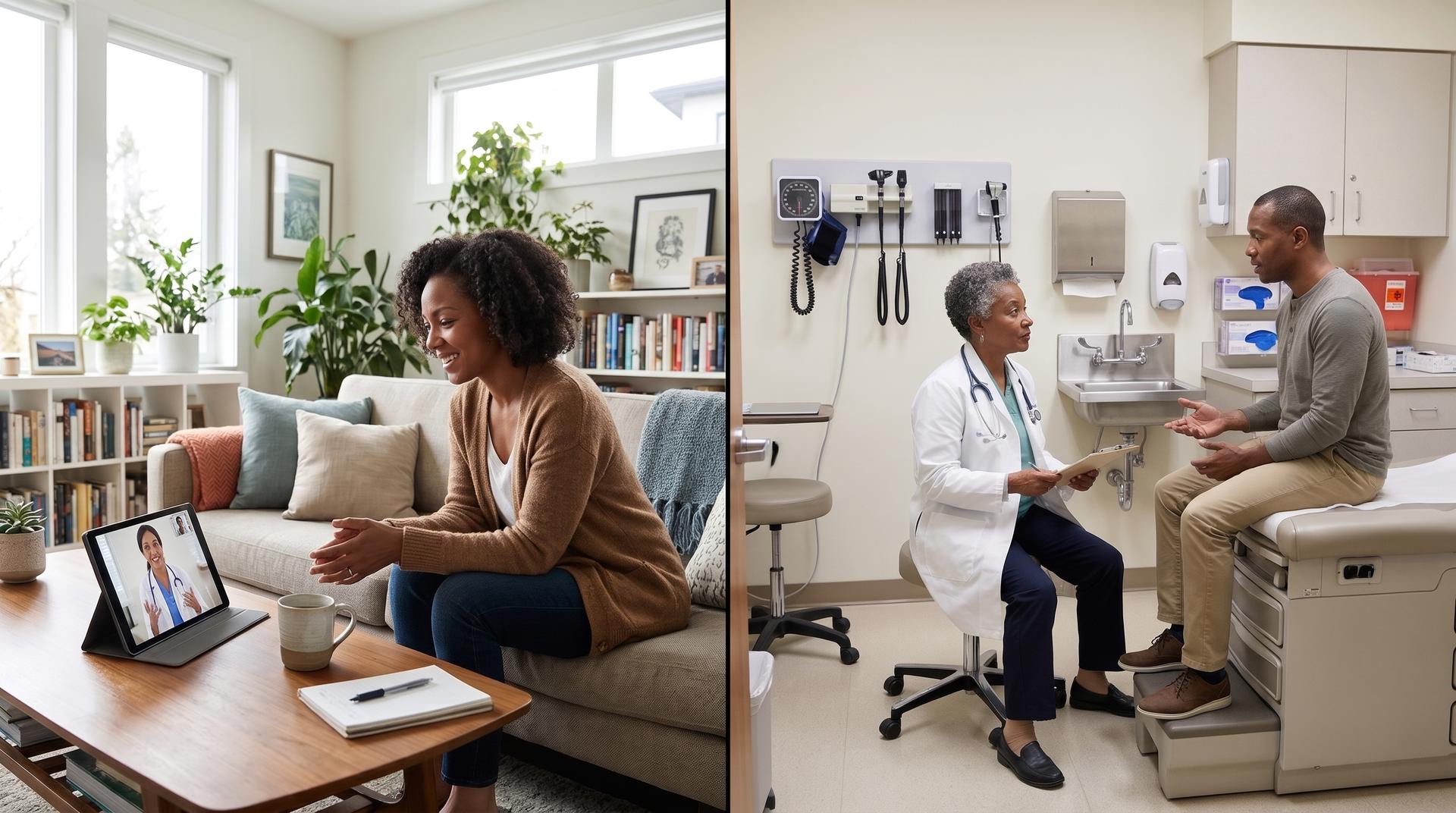
Virtual consultations are particularly useful when the medical concern can be assessed through a discussion of symptoms, medical history and, where available, visual information. Examples include follow-up appointments for established conditions, medication reviews, general health advice and discussions about test results.
Patients who need help understanding a previous diagnosis or treatment plan may also benefit from a virtual appointment. Rather than waiting until their next physical visit, they can discuss questions with a healthcare professional and determine whether further assessment is necessary.
Some skin concerns may be assessed through a video call or clear photographs, although a clinician may still need to examine the affected area in person or arrange tests. Similarly, selected mental health consultations can be conducted remotely, provided that the service offers appropriate clinical assessment, confidentiality and a plan for managing urgent concerns.
Virtual consultations can also be useful for discussing nutrition, preventive healthcare and lifestyle changes. Patients may receive advice about healthy eating, physical activity, sleep and managing certain risk factors, depending on their individual needs.
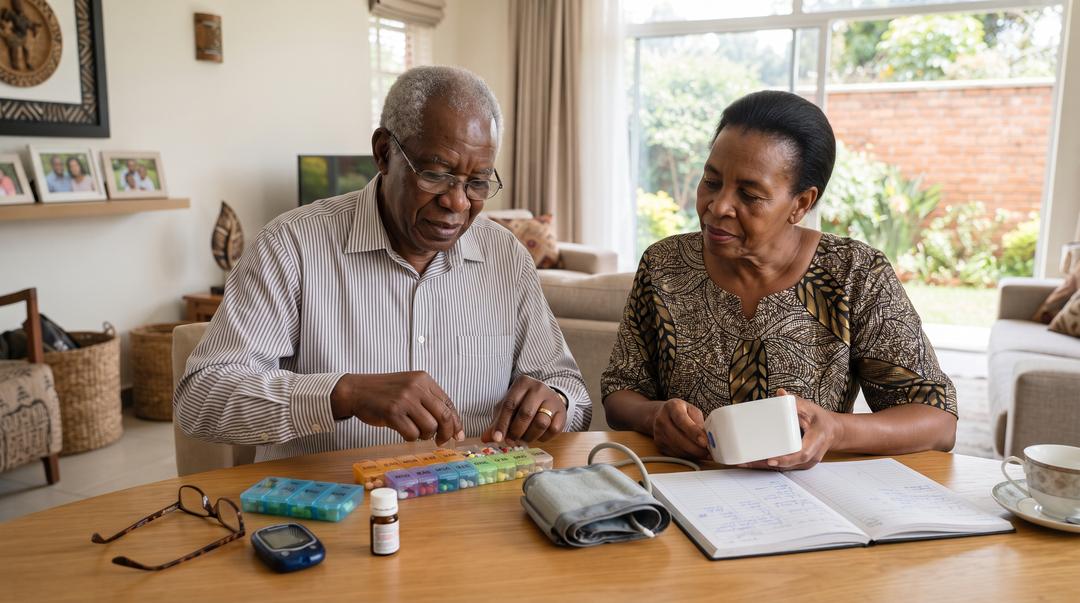
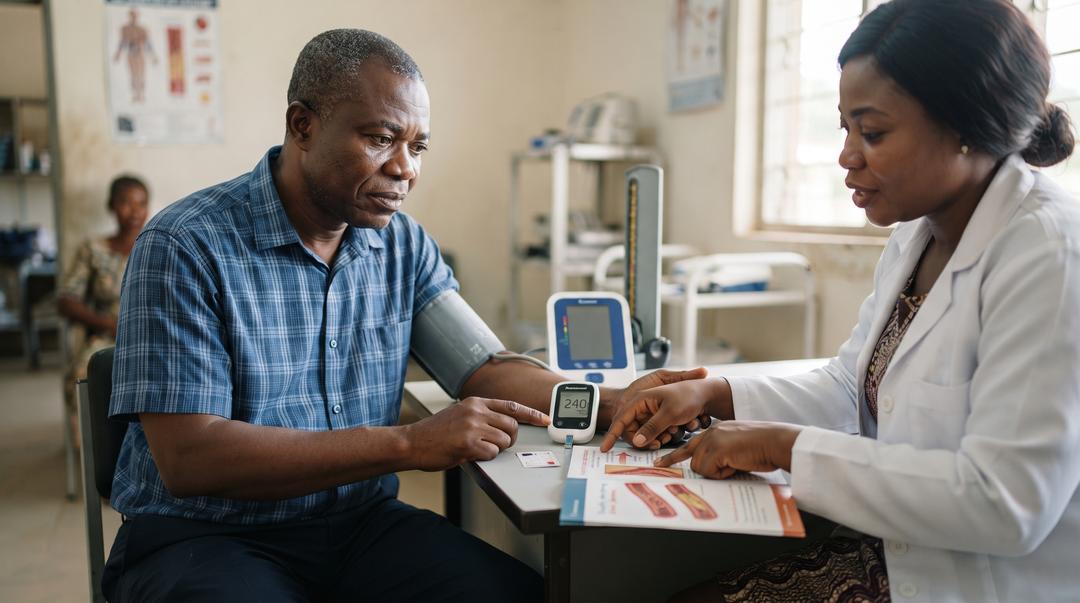
For patients managing stable conditions such as hypertension or diabetes, remote follow-up may be appropriate when reliable blood pressure readings, blood glucose measurements, laboratory results and other necessary information are available. Virtual appointments do not eliminate the need for physical examinations or recommended tests.
The decision should always be based on clinical suitability rather than convenience alone. If the doctor cannot confidently assess the problem remotely, an in-person appointment may be the safest next step.
When Should You See a Doctor in Person?
An in-person consultation is important when a diagnosis depends on a physical examination, a procedure or investigations that cannot be completed remotely. Patients experiencing persistent or unexplained symptoms may need a physical assessment even if they initially seek advice online.
For example, unexplained abdominal pain, a new lump, persistent swelling, unusual bleeding or symptoms that continue despite treatment may require further examination. A virtual doctor may help determine the urgency of the problem, but an online appointment should not delay necessary investigations.
In-person care is also important when a healthcare professional needs to assess the heart, lungs, abdomen, joints, reflexes or other parts of the body directly. Certain infections and other conditions may require physical examination, laboratory tests or imaging to establish a diagnosis.
Some patients may need an in-person appointment because they cannot communicate their symptoms clearly through a digital platform, have difficulty using the technology or require support that is better delivered face to face.
Most importantly, virtual consultations are not a substitute for emergency medical care. Seek emergency assistance immediately if you experience severe difficulty breathing, severe chest pain, sudden weakness on one side of the body, sudden difficulty speaking, loss of consciousness or severe bleeding. Do not wait for an online appointment when symptoms suggest a medical emergency.
Virtual Consultation vs In-Person Consultation: What Is the Difference?
The main difference between a virtual consultation and an in-person consultation is how the patient and healthcare professional interact and what assessments can be performed during the appointment.
During a virtual consultation, the patient communicates remotely, which can reduce travel time and make follow-up more convenient. The clinician can discuss symptoms, review available records and recommend treatment or further assessment. However, the clinician may be unable to perform certain physical examinations or diagnostic procedures.
An in-person consultation allows direct observation and physical examination. The patient may also access tests and procedures at the healthcare facility, depending on the services available. However, travelling to the facility may require more time and money.
Neither method is automatically superior in every situation. A virtual consultation may be sufficient for a routine follow-up, while an in-person visit may be essential for an unexplained symptom that requires examination. The goal is to choose the consultation method that provides safe, appropriate and effective care.
Are Virtual Doctor Consultations Safe?
Virtual doctor consultations can be safe when they are provided by appropriately qualified healthcare professionals who follow suitable clinical procedures and recognise when remote assessment is insufficient. Patient safety depends on the quality of the assessment, the accuracy of the information provided, appropriate documentation and a clear plan for follow-up.
Before a virtual appointment, patients should confirm that they are using a legitimate healthcare service and understand how their personal and medical information will be handled. They should provide accurate information about their symptoms, existing conditions, medications, allergies and relevant medical history.
A healthcare professional should explain the assessment, discuss the recommended next steps and arrange additional care when necessary. If a diagnosis remains uncertain, the clinician should not rely on an online consultation when an examination or diagnostic test is required.
Privacy is equally important. Patients should use a private setting where possible and avoid discussing confidential health information over unsecured channels. Reputable healthcare providers should have appropriate measures to protect patient information.
Kenya's published standards and guidelines for mobile health systems also emphasise informed consent, confidentiality, appropriate identification of healthcare professionals and assessing whether a physical examination is necessary during technology-based patient interactions.
How Can You Prepare for a Virtual Doctor Consultation?
Preparing for an online doctor consultation can help make the appointment more useful. Before the appointment, write down your symptoms, when they started, how frequently they occur and whether they have improved or worsened. Include any other symptoms that may be relevant, even if they appear unrelated.
Prepare a list of medications and supplements you take, along with information about known allergies and existing medical conditions. If you have previous test results, relevant medical reports or home measurements such as blood pressure readings, keep them available for the clinician to review.
Choose a quiet, private location and check your phone, computer, internet connection, camera and microphone before a video appointment. Make sure you can hear the healthcare professional clearly and explain your symptoms without unnecessary interruptions.
It is also helpful to prepare questions about your symptoms, possible causes, treatment options, medication instructions and whether you need further investigations. Before ending the appointment, make sure you understand the recommended treatment, any warning signs to watch for and when to seek additional care.
If the clinician recommends an in-person examination, follow the advice rather than assuming that the virtual consultation has resolved the problem.
Frequently Asked Questions About Virtual Consultations
1. Is a virtual consultation as effective as an in-person doctor visit?
A virtual consultation can be as effective as an in-person visit for selected medical concerns, including certain follow-up appointments, medication reviews and discussions about test results. However, some conditions require physical examinations, laboratory tests or imaging. The most appropriate option depends on the patient's symptoms and the clinician's assessment.
2. Can a doctor diagnose an illness through a virtual consultation?
Yes, a doctor can assess symptoms and may diagnose certain conditions remotely when sufficient information is available. However, some conditions have similar symptoms and cannot be reliably distinguished without a physical examination or diagnostic testing. A clinician may recommend an in-person appointment if additional assessment is needed.
3. Can I get a prescription during an online doctor consultation?
A healthcare professional may issue a prescription after an appropriate clinical assessment, provided the medication is suitable and applicable prescribing requirements are met. Some medicines require additional checks or an in-person assessment. A prescription is not guaranteed simply because an appointment has taken place.
4. Is a video consultation better than a telephone consultation?
A video consultation provides visual information that may help a clinician assess certain symptoms, observe movement or inspect visible skin changes. A telephone consultation may be suitable when the concern can be assessed through conversation alone. Neither option is appropriate for every condition, and the clinician may recommend an in-person visit.
5. Can virtual consultations be used for chronic disease management?
Yes, virtual consultations can support the management of certain chronic conditions, including diabetes and hypertension, when the patient has appropriate monitoring information and receives any necessary tests and physical examinations. Remote care should complement, rather than replace, other recommended aspects of long-term disease management.
6. Can I consult a doctor online for a new symptom?
Yes, an online consultation can be a useful first step for a new symptom if it is not an emergency. The doctor can assess the information available and advise whether remote management is appropriate or whether you need an in-person examination. Severe or rapidly worsening symptoms require urgent assessment rather than waiting for a routine virtual appointment.
7. Are virtual consultations cheaper than visiting a clinic?
Virtual consultations may reduce transport expenses, time away from work and other indirect costs. However, consultation fees vary between providers, and additional expenses may arise if laboratory tests, medication or an in-person appointment are required. Compare the total cost and the services included rather than assuming every virtual appointment is cheaper.
8. Are virtual consultations private and confidential?
They can be confidential when the healthcare provider uses appropriate privacy and security measures. Patients should choose reputable services, use private communication settings and understand how their health information is stored and shared. Confidentiality also depends on the technology used and the environment in which the consultation takes place.
9. Do I still need a physical examination after a virtual consultation?
Sometimes. A doctor may recommend a physical examination if symptoms cannot be adequately assessed remotely, if a diagnosis remains uncertain or if tests or procedures are needed. Attending an in-person appointment when advised is an important part of receiving appropriate care.
10. When should I avoid a virtual consultation and seek emergency care?
Do not rely on a routine virtual appointment for symptoms such as severe difficulty breathing, severe chest pain, sudden difficulty speaking, sudden one-sided weakness, loss of consciousness or severe bleeding. Seek emergency medical assistance immediately. When symptoms are severe or rapidly worsening, prompt assessment is more important than choosing a convenient appointment format.
Please Note: This article is intended for general health education and does not replace individual medical advice, diagnosis or treatment. The information provided may not apply to every patient or medical condition. Consult a qualified healthcare professional for advice about your specific symptoms, and seek urgent medical assistance for emergencies.
Your health can't wait. Book a virtual consultation with a qualified healthcare professional on Zuri Health and get the medical advice you need, from the comfort of your home.
Chat with us on WhatsApp
Phone Number: +254 756 551 551
You can also use this WhatsApp link: Click here to chat