

Combating Health Misinformation Online: Protecting Your Well-Being in the Digital Age
Introduction: Navigating the Information Maze
In the age of endless scrolling and viral posts, misinformation spreads faster than ever. While some falsehoods are harmless, health misinformation can lead to dangerous decisions, delayed treatment, and serious consequences.
As a trusted healthcare partner, Zuri Health is committed to empowering you with accurate, evidence-based information. Let's explore how to identify misinformation, common myths to watch out for, and steps you can take to safeguard your health.
What is Health Misinformation?
Health misinformation refers to false or misleading health-related content shared online or offline. It may be spread intentionally or accidentally, and it thrives on social media platforms and unverified blogs.
Examples include:
- Fake cures for serious diseases
- Conspiracy theories about vaccines
- Misleading weight loss products
- False claims about miracle supplements
Why is Health Misinformation Dangerous?
When people act on misinformation, they may:
Serious Consequences
- Delay seeking professional medical care
- Choose harmful treatments over proven ones
- Lose trust in healthcare systems
- Expose themselves and others to preventable diseases
Common Health Myths Debunked
1. Myth: Vaccines cause autism.
Truth: Extensive research shows no link between vaccines and autism. Vaccines save millions of lives each year.
2. Myth: Herbal remedies can cure cancer.
Truth: While some herbs support health, no herb alone cures cancer. Always follow your doctor's treatment plan.
3. Myth: You don't need to see a doctor if you feel healthy.
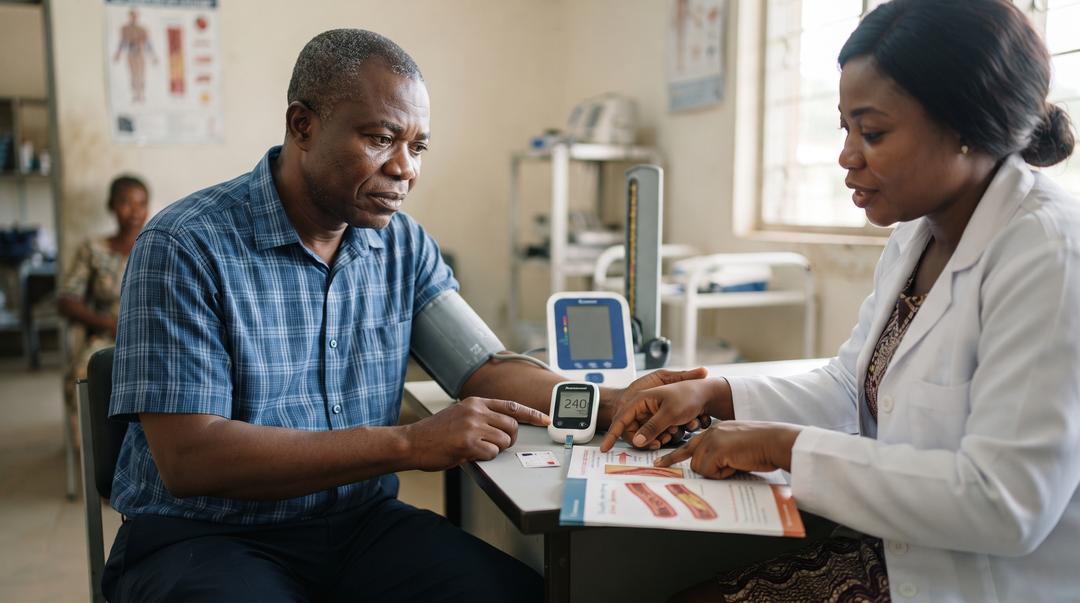
Truth: Regular check-ups help catch silent conditions like hypertension and diabetes before complications arise.
4. Myth: All "natural" products are safe.
Truth: Natural doesn't always mean safe. Some natural supplements can interfere with medications or cause side effects.
How to Identify Reliable Health Information
Check the Source
- Reputable health organizations (like WHO, CDC, or Zuri Health)
- Peer-reviewed medical journals
- Licensed healthcare professionals
Look for Evidence
- Are there credible studies cited?
- Does the article reference clinical trials or expert consensus?
Watch for Red Flags
- Claims of a "miracle cure"
- Emotional language pushing fear or urgency
- No listed authors or medical reviewers
Practical Tips for Social Media Users
- Verify before you share
- Report false health information
- Follow verified health pages
- Discuss any doubts with a trusted medical professional
The Role of Digital Health Platforms
Trusted platforms like Zuri Health help counter misinformation by providing verified medical content, virtual consultations, and access to licensed doctors.
Benefits include:
- Evidence-based articles and resources
- Personalized advice from medical experts
- Safe prescription and treatment guidance
FAQs About Health Misinformation
Can health misinformation really harm me?
Yes. Following false advice can delay effective treatment and put your health at serious risk.
How can I protect elderly family members online?
Encourage them to consult doctors before acting on online advice. Help them follow reliable sources.
Should I stop using social media for health information?
Not necessarily. Just ensure you cross-check any health advice with trusted medical sources.
Can I trust all health blogs?
No. Always check the author's credentials and look for evidence-based content.
Final Thoughts & Call to Action
In a world overflowing with information, being able to separate facts from fiction is a powerful act of self-care. By questioning sources and relying on medical expertise, you take control of your health story.
Your health can't wait.
Visit our website: www.zuri.health
Call us today: +254 756 551 551
Book a virtual consultation and get real answers from real doctors.