

Chronic kidney disease (CKD) is a long-term condition in which the kidneys become damaged or lose some of their ability to work properly. The kidneys perform several important jobs, including filtering waste and excess fluid from the blood, helping regulate blood pressure, maintaining the balance of minerals and electrolytes, and supporting the production of red blood cells. When kidney function declines, waste products and excess fluid can build up in the body. CKD often develops gradually, and a person may have significant kidney damage without noticing obvious symptoms.
Chronic kidney disease is therefore sometimes described as a “silent” condition. This is particularly important because symptoms may not appear during the early stages. A person can feel completely well while changes are already occurring in kidney function. Blood and urine tests can detect kidney problems earlier than symptoms alone. Early diagnosis gives healthcare professionals an opportunity to identify the cause, control risk factors and slow further loss of kidney function.
What causes chronic kidney disease?
Diabetes and high blood pressure are among the most important causes of chronic kidney disease in adults. High blood sugar associated with diabetes can damage the small blood vessels and filtering structures inside the kidneys over time. High blood pressure can also damage kidney blood vessels and reduce the kidneys' ability to function normally. These conditions can also occur together, increasing the risk of kidney damage.
Other possible causes of CKD include certain kidney diseases, inflammation of the kidney filters, inherited kidney conditions such as polycystic kidney disease, repeated kidney injuries, urinary tract or urinary-system problems, and some medicines or substances that can damage the kidneys when used inappropriately or for prolonged periods. A family history of kidney disease can also increase a person's risk. The cause is important because treatment depends partly on what is responsible for the kidney damage.
Chronic kidney disease symptoms
One of the biggest challenges with chronic kidney disease is that early CKD may cause no noticeable symptoms. Some people only discover they have kidney disease after a routine blood or urine test. This is why people who have risk factors such as diabetes or high blood pressure may need regular kidney health checks even when they feel healthy.
As kidney disease becomes more advanced, symptoms can include persistent tiredness, swelling of the feet, ankles or legs, changes in urination, foamy urine, loss of appetite, nausea, vomiting, itching, dry skin, muscle cramps, difficulty concentrating and sleep problems. More advanced CKD can also cause shortness of breath or chest discomfort. These symptoms are not specific to kidney disease, however, so experiencing them does not automatically mean that someone has CKD. Medical assessment and appropriate testing are needed.
What are the stages of chronic kidney disease?
Chronic kidney disease is commonly classified according to estimated glomerular filtration rate, or eGFR, which provides an estimate of how well the kidneys are filtering blood. CKD classification also considers albuminuria, which measures the amount of albumin, a type of protein, leaking into the urine. Modern kidney guidelines classify CKD according to its cause, GFR category and albuminuria category, often referred to as the CGA classification.
The GFR categories range from G1 to G5. G1 represents a normal or high eGFR of 90 mL/min/1.73 m² or higher, while G2 represents an eGFR of 60–89. G3a is 45–59, G3b is 30–44, G4 is 15–29, and G5 is below 15 mL/min/1.73 m². However, an eGFR of 60 or higher does not by itself establish CKD. Evidence of kidney damage may be required, and abnormalities need to be persistent for at least three months to meet the definition of CKD.
Albuminuria is another important part of assessing chronic kidney disease. An albumin-to-creatinine ratio, or ACR, of less than 30 mg/g is generally classified as A1, 30–300 mg/g as A2, and more than 300 mg/g as A3. Higher levels of albumin in the urine generally indicate greater kidney damage and can be associated with a higher risk of CKD progression and cardiovascular complications.
How is chronic kidney disease diagnosed?
A healthcare professional may use blood tests, urine tests, medical history, physical examination and, when appropriate, imaging to assess kidney health. A blood test commonly measures creatinine, which is used to calculate the estimated glomerular filtration rate. Urine testing can identify albumin or other signs of kidney damage. Current KDIGO guidance recommends assessing both GFR and urine albumin when evaluating people at risk of CKD.
One abnormal kidney test does not necessarily mean that a person has chronic kidney disease. CKD involves abnormalities of kidney structure or function that persist for more than three months. For this reason, healthcare professionals may repeat abnormal tests to confirm whether the problem is persistent.
Can chronic kidney disease be cured?
Whether CKD can be reversed depends on its cause and stage. Long-standing or advanced chronic kidney disease generally cannot simply be reversed, but treatment can often slow its progression and reduce complications. Early identification is therefore extremely important. Treating conditions that are contributing to kidney damage, particularly high blood pressure and diabetes, can help protect remaining kidney function.
Having CKD does not automatically mean that a person will develop kidney failure. Some people have stable kidney disease for many years, while others experience progressive loss of kidney function. The risk varies according to factors such as the cause of CKD, eGFR, albuminuria and other health conditions.
Chronic kidney disease treatment
There is no single treatment that is suitable for everyone with CKD. Treatment depends on the cause, stage of kidney disease, urine albumin level, other medical conditions and the person's overall health. The goals are generally to treat the underlying cause, slow kidney damage, manage complications and reduce the risk of cardiovascular disease and kidney failure.
Controlling blood pressure is one of the most important aspects of CKD management. People with diabetes should also work with their healthcare team to manage blood glucose. Depending on the individual situation, healthcare professionals may prescribe medicines that help control blood pressure, reduce albuminuria, manage diabetes or address other cardiovascular and kidney-related risks. Medication doses may need to be adjusted as kidney function changes.
Some medicines can slow the progression of CKD in appropriate patients, but they are not suitable for everyone and should not be started without medical advice. The KDIGO 2024 CKD guideline includes evidence-based recommendations for kidney-protective treatments, and an update to its treatment chapter is currently underway to address emerging evidence involving SGLT2 inhibitors, GLP-1-based therapies and nonsteroidal mineralocorticoid receptor antagonists.
Chronic kidney disease diet and nutrition
There is no universal “kidney disease diet” that is appropriate for every person with CKD. Nutritional requirements can change according to kidney function, blood potassium and phosphorus levels, blood pressure, diabetes status, medications and whether the person has other health conditions. For this reason, people with CKD should avoid making major dietary restrictions without professional guidance.
Depending on individual needs, a healthcare professional or registered dietitian may recommend paying attention to sodium intake, protein intake, potassium, phosphorus, fluid intake and overall dietary quality. The appropriate amount of each nutrient can vary considerably between people. A balanced eating pattern and appropriate portion sizes can form part of a broader strategy for protecting kidney and cardiovascular health.
It is also important to be cautious about supplements and herbal products marketed as “kidney cleanses” or “kidney detoxes.” Natural does not automatically mean safe, and some supplements can interact with medicines or potentially harm the kidneys. Anyone with kidney disease should discuss supplements and non-prescription products with a healthcare professional before using them.
Chronic kidney disease and high blood pressure
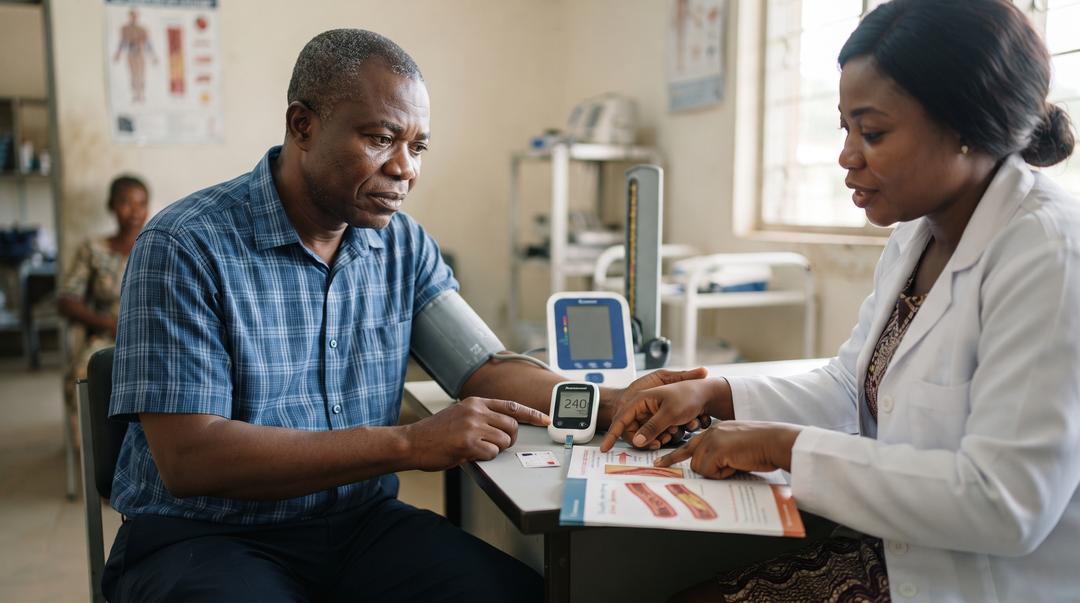
The relationship between high blood pressure and CKD works in both directions. Long-term high blood pressure can damage the kidneys, while damaged kidneys can make it harder for the body to regulate blood pressure. This can create a cycle in which uncontrolled blood pressure contributes to further kidney damage.
Regular blood pressure monitoring, taking prescribed medicines correctly, maintaining appropriate physical activity, limiting excessive sodium intake and addressing other cardiovascular risk factors can form part of kidney-protective care. The specific blood pressure target should be determined with a healthcare professional because treatment needs vary between individuals.
Chronic kidney disease and diabetes
Diabetes is a major risk factor for chronic kidney disease. Persistently elevated blood glucose can damage the kidney's filtering system over time. People living with diabetes may therefore benefit from regular monitoring of kidney function and urine albumin, even when they do not have kidney-related symptoms.
Managing blood glucose, blood pressure and cardiovascular risk can help reduce the risk of kidney damage and slow CKD progression when kidney disease is already present. People with diabetes should discuss appropriate kidney screening with their healthcare provider.
Chronic kidney disease complications
CKD can affect more than the kidneys. As kidney function declines, complications can include anemia, high blood pressure, mineral and bone abnormalities, metabolic acidosis and electrolyte disturbances such as high potassium. CKD is also associated with an increased risk of cardiovascular disease, heart attack and stroke.
The kidneys normally help maintain the body's balance of fluids, electrolytes and minerals. When their function becomes significantly impaired, these processes can become disrupted. This is why people with moderate or advanced CKD often require regular monitoring of blood and urine tests rather than relying on symptoms alone.
What happens when kidney disease becomes advanced?
When kidney function becomes severely reduced, a person may eventually develop kidney failure. Kidney failure means the kidneys have lost most of their ability to perform their essential functions. At that point, kidney replacement therapy may be required. Options can include dialysis or a kidney transplant, depending on the individual's medical circumstances and suitability.
Dialysis helps perform some of the functions normally carried out by the kidneys, particularly removing waste products and excess fluid from the blood. Kidney transplantation involves replacing failed kidney function with a functioning donor kidney. These treatments are generally considered when kidney function has become severely impaired and should be discussed with a specialist kidney-care team.
Can chronic kidney disease be prevented?
Not every case of CKD can be prevented, particularly when inherited or unavoidable conditions are involved. However, many important risk factors can be addressed. Managing diabetes and high blood pressure, avoiding smoking, maintaining a healthy level of physical activity, following a balanced diet and attending recommended health checks can help reduce kidney and cardiovascular risks.
People who already have diabetes, high blood pressure, cardiovascular disease or a family history of kidney disease should be particularly aware of their kidney health. Kidney disease can progress without obvious symptoms, so waiting until symptoms appear may mean missing an opportunity for earlier intervention.
Frequently Asked Questions About Chronic Kidney Disease
1. What are the first signs of chronic kidney disease?
There may be no obvious first signs. Early CKD is often asymptomatic, which is why blood and urine tests are important for people at increased risk. When symptoms do occur, they may include swelling, changes in urination or persistent tiredness, although these symptoms can have many other causes.
2. Can you have chronic kidney disease without symptoms?
Yes. Many people with early CKD do not feel unwell. Kidney disease may only be discovered through blood tests showing an abnormal eGFR or urine tests showing albumin or other abnormalities.
3. What are the main causes of chronic kidney disease?
Diabetes and high blood pressure are major causes of CKD in adults. Other causes include various kidney diseases, inherited conditions, cardiovascular disease and other conditions that can damage the kidneys.
4. What is a normal eGFR?
An eGFR of 90 mL/min/1.73 m² or higher falls within the G1 category, described as normal or high. However, eGFR must be interpreted alongside other evidence of kidney damage. A result below 90 does not automatically mean that a person has CKD.
5. Can kidney function improve after being diagnosed with CKD?
It depends on the underlying cause and circumstances. Some temporary kidney problems can improve, but established chronic kidney damage generally cannot simply be reversed. Appropriate treatment can nevertheless slow progression and protect remaining kidney function.
6. Does chronic kidney disease always lead to kidney failure?
No. Not everyone with CKD progresses to kidney failure. The risk depends on factors including the cause of kidney disease, eGFR, albuminuria and other health conditions. Early diagnosis and appropriate management can help reduce the risk of progression.
7. What foods should people with chronic kidney disease avoid?
There is no single list of foods that every person with CKD must avoid. Dietary recommendations depend on kidney function, blood test results, medications and other conditions. Some people may need to reduce sodium or modify potassium, phosphorus, protein or fluid intake, but these changes should be personalized with professional guidance.
8. Is drinking more water good for chronic kidney disease?
Not necessarily. Adequate hydration is important, but people with advanced kidney disease may have difficulty removing excess fluid. The right amount of fluid depends on the person's kidney function and medical circumstances. Someone with CKD should follow the fluid advice given by their healthcare professional rather than assuming that drinking large amounts of water will improve kidney function.
9. Can high blood pressure cause kidney disease?
Yes. Long-term uncontrolled high blood pressure can damage the blood vessels and filtering structures in the kidneys. CKD can also contribute to high blood pressure, making blood pressure management an important part of kidney care.
10. Can diabetes cause chronic kidney disease?
Yes. Diabetes is one of the leading causes of CKD in adults. Persistently high blood glucose can damage the kidney's filtering system. Regular monitoring and appropriate management of blood glucose, blood pressure and other cardiovascular risk factors are important for reducing kidney-related complications.
11. When should I get tested for chronic kidney disease?
People with risk factors such as diabetes, high blood pressure, cardiovascular disease or a family history of kidney disease should discuss kidney testing with a healthcare professional. Current guidance recommends assessing kidney function and urine albumin in people at risk.
12. Is chronic kidney disease the same as kidney failure?
No. CKD describes persistent abnormalities in kidney structure or function. Kidney failure represents severe loss of kidney function and may require dialysis or transplantation. CKD can progress to kidney failure, but many people with CKD never reach that stage.
13. What is the most important thing to do if you have chronic kidney disease?
There is no single action that is right for everyone, but identifying and treating the cause, controlling blood pressure, managing diabetes when present, taking prescribed medicines correctly, following an appropriate nutrition plan and attending regular monitoring can help protect kidney function.
Chronic kidney disease can be serious, but an early diagnosis can make a meaningful difference. Because CKD may progress without noticeable symptoms, people at increased risk should not wait for symptoms before discussing kidney testing with a healthcare professional. Kidney health is closely connected with blood pressure, diabetes, heart health, nutrition and overall wellbeing. Getting appropriate medical advice early can help identify problems, manage risk factors and protect kidney function for as long as possible.
Please Note: This information is for health education and does not replace an individual medical assessment. Anyone who has persistent swelling, major changes in urination, unexplained severe fatigue, shortness of breath or other concerning symptoms should seek appropriate medical care rather than relying on an online health article.
Call to Action
Concerned about your kidney health or have questions about your symptoms? Book an online consultation with a licensed healthcare provider on Zuri Health for personalized medical guidance.
Chat with us on WhatsApp
Phone Number: +254 756 551 551
You can also use this WhatsApp link: Click here to chat