

Can an online doctor really diagnose you? Yes. An online doctor can assess your symptoms, review your medical history, identify possible illnesses and make a clinical diagnosis when sufficient information is available. However, some medical conditions require physical examinations, laboratory tests or imaging before a definite diagnosis can be established.
With the growing popularity of telemedicine, more people are choosing online doctor consultations for medical advice, diagnosis and treatment. Instead of travelling to a hospital or waiting in a clinic, patients can consult qualified healthcare professionals through video calls, telephone consultations and digital healthcare platforms.
But how accurate is an online diagnosis? Can a doctor identify an infection, diagnose a skin condition or determine why you are experiencing unexplained symptoms without examining you physically?
Understanding what online doctors can and cannot diagnose helps patients make informed healthcare decisions. Although virtual consultations offer convenient access to medical care, they are not suitable for every health condition.
How Does an Online Doctor Diagnose a Patient?
An online doctor uses many of the same clinical principles as a doctor conducting a traditional consultation. The main difference is that the assessment takes place remotely.
The process usually begins with a medical history. The doctor asks about your symptoms, when they started, how severe they are and whether they have changed over time. You may also be asked about previous illnesses, existing medical conditions, medications, allergies and family medical history.
During a video consultation, the doctor may visually assess certain symptoms, including skin rashes, swelling, eye redness and visible physical changes. They may also ask you to demonstrate particular movements or describe specific sensations to understand your condition better.
After gathering this information, the doctor evaluates possible causes and determines whether a diagnosis can be established. Depending on the findings, they may recommend treatment, prescribe medication where appropriate, request additional tests or refer you for an in-person examination.
For example, a patient experiencing symptoms of a urinary tract infection may receive an initial clinical assessment online. However, a urine test may be necessary to support the diagnosis.
This means an online doctor does not necessarily have to complete the entire diagnostic process virtually. Telemedicine can initiate medical assessment, arrange investigations and guide patients towards appropriate treatment.
What Conditions Can an Online Doctor Diagnose?
Online doctors can assess several common health conditions, particularly those that can be evaluated through medical history, symptom descriptions and visual observations.
Common colds and flu: Doctors can assess symptoms such as coughing, sneezing, fever, sore throat and nasal congestion. They can recommend appropriate treatment and determine whether further testing is necessary.
Skin conditions: Certain rashes, acne and visible skin irritations can be assessed through video consultations or clinical photographs. However, some skin conditions require physical examination or additional testing.
Allergies: Online consultations can help assess symptoms such as sneezing, itchy eyes and nasal congestion. Further allergy testing may be necessary to identify specific triggers.
Digestive problems: Mild abdominal discomfort, constipation, diarrhoea, nausea and acid reflux can often be assessed remotely. Persistent or severe abdominal pain may require physical examination and imaging.
Headaches and migraines: Doctors can assess headache patterns, frequency, severity and associated symptoms. However, new or unusually severe headaches may require urgent medical evaluation.
Women's health concerns: Menstrual irregularities, painful periods and certain reproductive health concerns can be discussed during virtual consultations. Some conditions require laboratory tests or physical examinations.
Mental health conditions: Online consultations can support the assessment of anxiety, depression and stress-related symptoms through discussions about mood, sleep and emotional wellbeing.
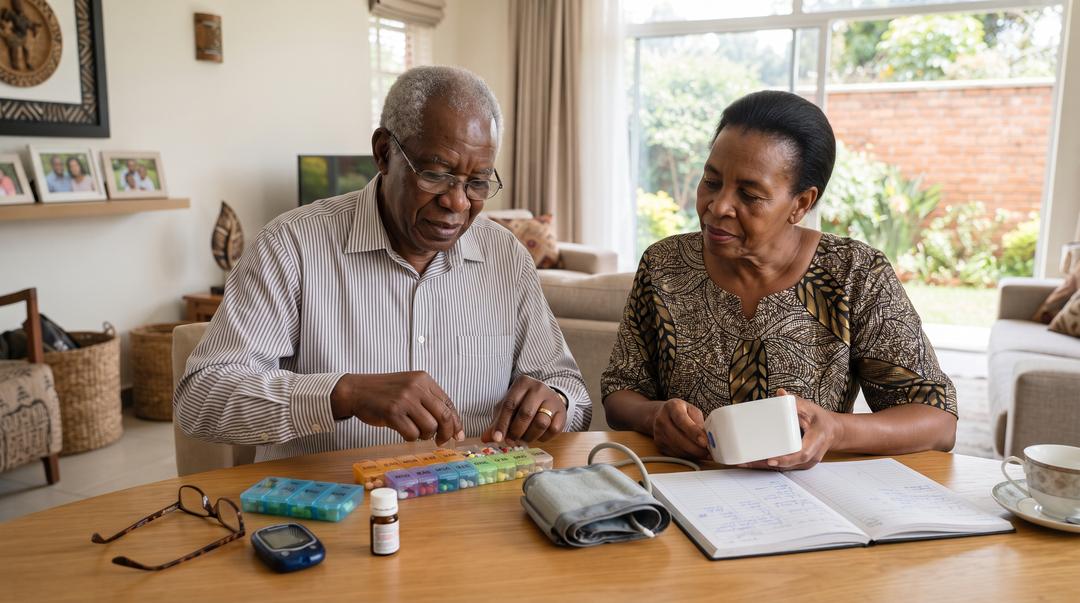
Chronic conditions: Patients with diabetes, hypertension and asthma can benefit from online follow-up consultations. Doctors can review home-monitoring readings, discuss symptoms and adjust treatment when appropriate.
Importantly, not every patient with these conditions can be diagnosed remotely. The doctor must determine whether a virtual assessment provides sufficient clinical information.
How Accurate Is an Online Doctor's Diagnosis?
The accuracy of an online medical diagnosis depends on the condition being assessed, the information available and whether physical examinations or additional investigations are necessary.
For some conditions, virtual consultations can provide reliable clinical assessments. For example, reviewing a patient's established migraine symptoms or monitoring previously diagnosed hypertension may not always require a face-to-face appointment.
However, certain conditions are more difficult to diagnose remotely. Abdominal pain, for instance, may require physical examination to identify tenderness or other concerning findings. Similarly, some heart and lung conditions require examinations and diagnostic tests that cannot be performed through an ordinary video call.
The quality of information provided by the patient also matters. Incomplete medical histories, unclear descriptions of symptoms and poor video quality can affect the doctor's assessment.
A responsible online doctor should recognise these limitations and recommend further investigations or an in-person consultation when necessary rather than making an unsupported diagnosis.
What Are the Limitations of Online Medical Diagnosis?
Although telemedicine improves access to healthcare, it has several limitations.
One major limitation is the inability to perform a complete physical examination. Doctors cannot directly feel the abdomen, examine certain injuries or listen to heart and lung sounds through a standard video consultation.
Another limitation is access to diagnostic tests. Conditions such as diabetes, certain infections and cardiovascular diseases may require blood tests, urine tests, ECGs or imaging to confirm a diagnosis.
Technology can also affect consultation quality. Poor internet connectivity, inadequate lighting and unclear audio may make it difficult for doctors to assess symptoms accurately.
Additionally, online doctors may not always have access to a patient's complete medical records. Missing information about previous diagnoses, medications and laboratory results can complicate clinical decision-making.
These limitations do not make online consultations unreliable. Instead, they highlight the importance of combining virtual healthcare with physical examinations and diagnostic investigations when necessary
When Should You See a Doctor in Person?
Some medical conditions require immediate or direct medical attention rather than an online consultation.
Patients experiencing chest pain, severe difficulty breathing, sudden weakness on one side of the body, fainting, severe allergic reactions or possible stroke symptoms should seek emergency medical care immediately.
An in-person consultation may also be necessary for persistent abdominal pain, unexplained swelling, certain injuries and symptoms that are worsening or difficult to diagnose remotely.
An online doctor can help determine whether further medical attention is necessary, but a virtual consultation should never delay emergency treatment.
How Can You Prepare for an Online Doctor's Appointment?.
Preparing for a virtual consultation can help the doctor make a more informed assessment.
Before your appointment, write down your symptoms, when they started and whether they have become better or worse. Prepare information about existing medical conditions, medications, allergies and previous diagnoses.
If you have recent laboratory results or medical records, keep them available. Patients managing chronic conditions can also prepare relevant readings, such as blood pressure or blood glucose measurements.
Choose a quiet, private location with a reliable internet connection. Describe your symptoms honestly and ask questions if you do not understand the diagnosis or recommended treatment.
Before ending the consultation, establish whether you need medication, further investigations, a follow-up appointment or an in-person examination.
Please Note This article is intended for general educational and informational purposes only. It does not replace professional medical advice, diagnosis or treatment. Always consult a qualified healthcare professional regarding medical concerns. Seek immediate medical attention in an emergency.
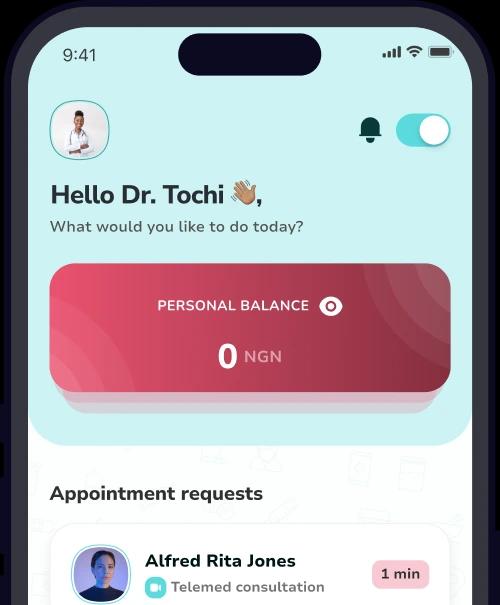
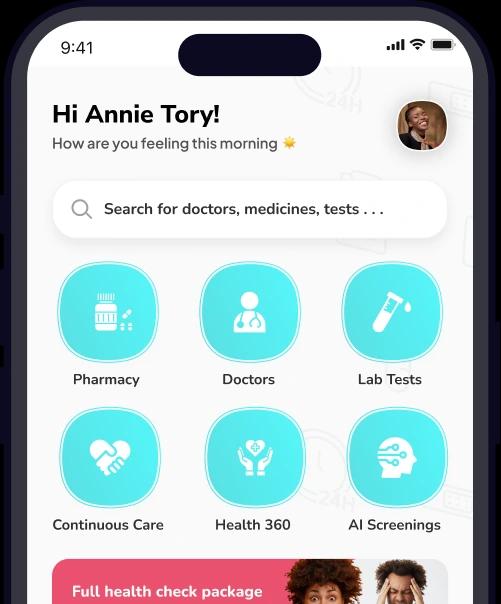
Zuri Health connects you with qualified healthcare professionals through online consultations. Get professional medical guidance and find out what care you may need.
Chat with us on WhatsApp
Phone Number: +254 756 551 551
You can also use this WhatsApp link: Click here to chat