
World Population Day: Health Implications of Population Growth
Introduction: Understanding Population and Health Connections
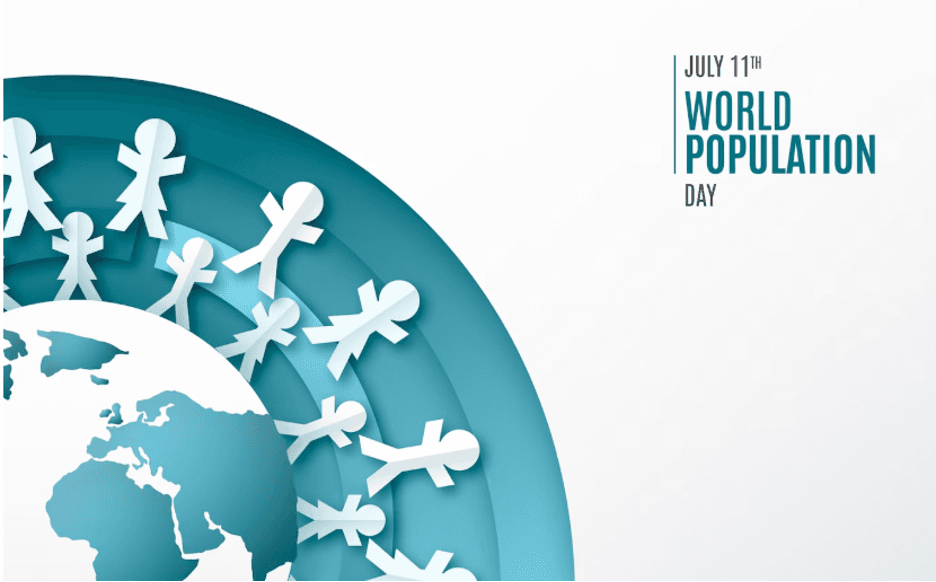
Every year on July 11, we mark World Population Day. It's more than just a day to talk numbers, it's a chance to reflect on the deep connections between population trends and health outcomes.
As the world's population surpasses 8 billion, pressure on healthcare systems rises. How can we respond? Let's dive into the health implications of population growth and explore solutions to build resilient, equitable healthcare for all.
The Link Between Population Growth and Health
Population growth influences healthcare demand, resource allocation, and overall public health outcomes.
Key challenges include:
- Increased burden on hospitals and clinics
- Higher demand for maternal and child health services
- Rising incidence of infectious diseases
- Greater need for chronic disease management
- Stress on mental health services
Maternal and Child Health Under Pressure
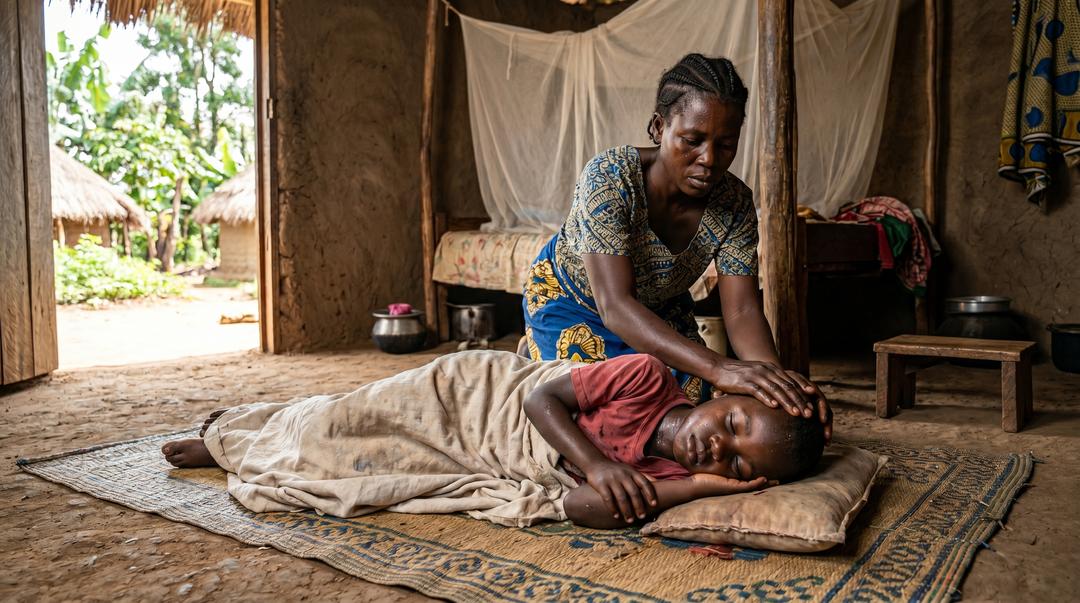
In high-growth regions, maternal and neonatal care faces immense strain. Overcrowded facilities and limited skilled health workers often lead to higher maternal mortality rates and preventable complications.
Recommended interventions:
- Expand midwifery and skilled birth attendance training
- Strengthen immunization programs
- Improve antenatal and postnatal care services
Rising Chronic Diseases
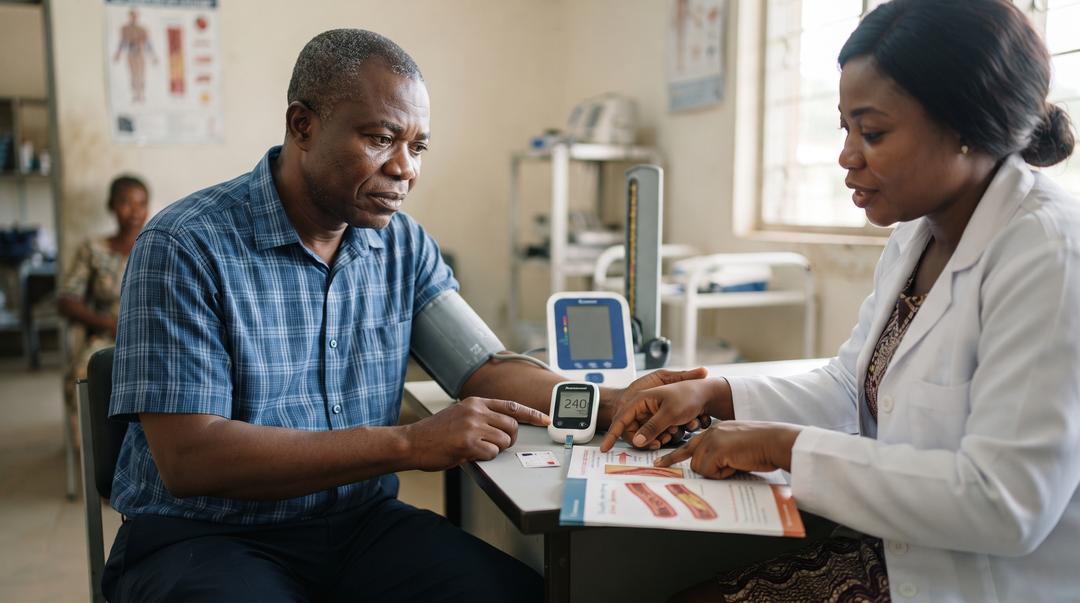
Urbanization and changing lifestyles linked to population growth contribute to higher rates of non-communicable diseases (NCDs) such as diabetes, hypertension, and obesity.
Strategies to address NCDs:
- Promote healthy diets and physical activity
- Expand screening programs for early detection
- Strengthen primary healthcare to manage chronic illnesses
Infectious Disease Control Challenges
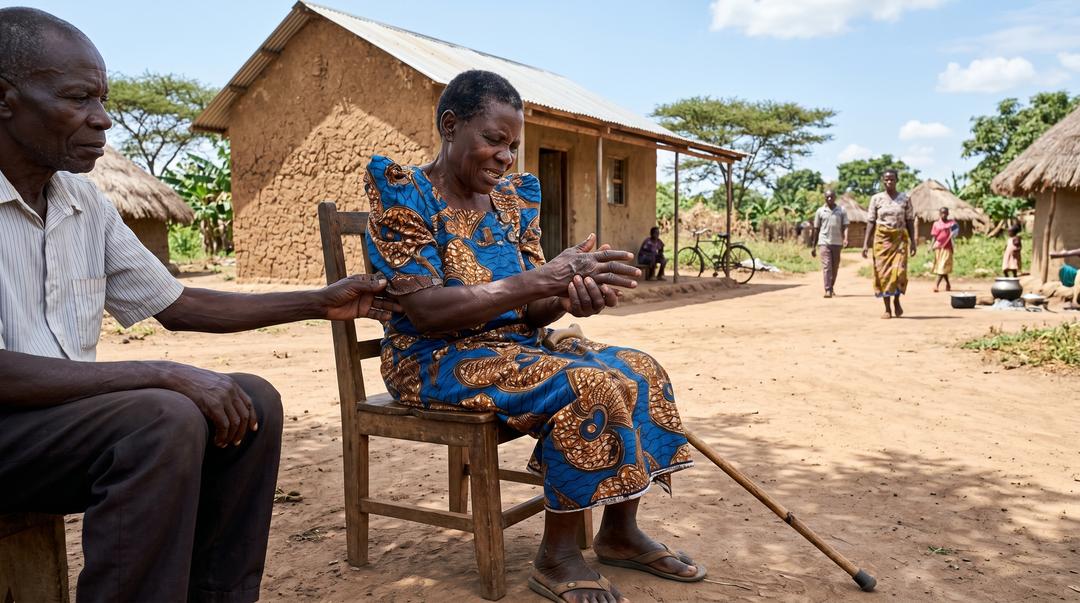
Densely populated areas often struggle with sanitation, clean water access, and overcrowding, conditions ripe for outbreaks.
Key solutions:
- Improve public health infrastructure
- Promote vaccination campaigns
- Enhance disease surveillance systems
Mental Health Implications
Fast-growing populations put added pressure on mental health services. Job scarcity, urban crowding, and strained social services lead to increased anxiety and depression.
Supportive measures include:
- Expand community-based mental health programs
- Train more mental health professionals
- Integrate mental health into primary care
Practical Steps for Individuals
While large-scale solutions require policy and infrastructure changes, individuals can also take proactive steps.
- Stay updated on vaccinations
- Embrace regular health screenings
- Adopt a balanced diet and regular exercise
- Practice good hygiene and sanitation
- Seek mental health support when needed
FAQs About Population Growth and Health
Why does rapid population growth strain healthcare?
More people mean higher demand for already limited resources, leading to overcrowded facilities and longer wait times.
Can technological solutions help?
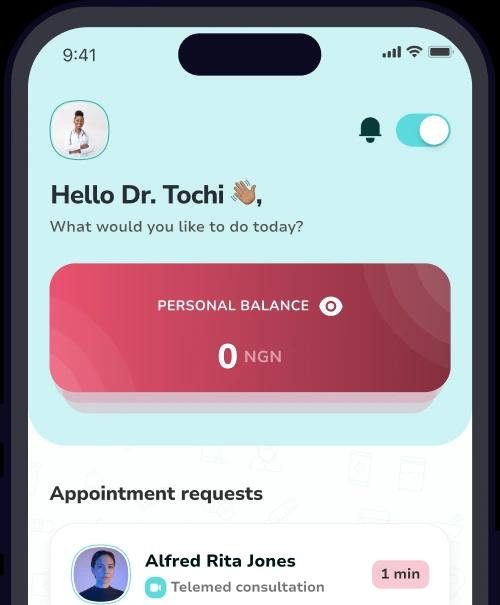
Yes. Telemedicine (like services offered by Zuri Health), digital health records, and mobile health apps can improve access and efficiency.
What is the role of family planning?
Family planning helps reduce unintended pregnancies and supports maternal and child health, easing healthcare pressures.
How does urbanization relate to health?
Urban growth can improve access to care but also brings challenges like pollution, lifestyle-related diseases, and overcrowding.
Final Thoughts & Call to Action
As we reflect on World Population Day, it's clear that health systems must adapt to serve growing communities. By combining policy-level changes with individual action, we can build healthier, more resilient societies.
Your health can't wait.
Visit our website: www.zuri.health
Call us today: +254 756 551 551
Book a virtual consultation and get real answers from real doctors.